
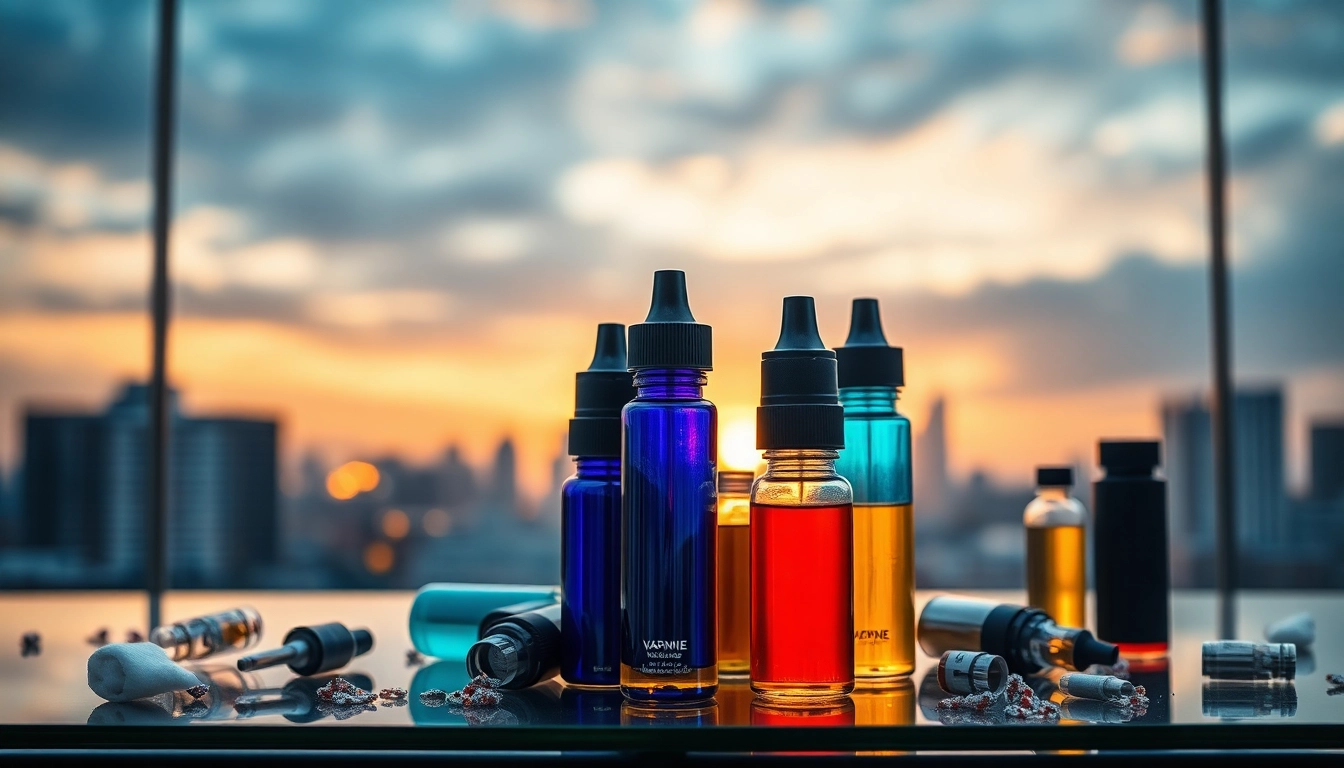
Understanding Vape & E-Liquids: A Comprehensive Guide
In recent years, the popularity of vaping has skyrocketed, making Vape & E-Liquids a common term among enthusiasts and novices alike. Vaping represents not just a smoking alternative but also a hobby for many, characterized by a diverse range of flavors and nicotine options. This article aims to explore the intricacies of vape and e-liquids, including their components, types, and the science behind them, as well as how to choose the right products for a satisfying vaping experience.
What Are Vape & E-Liquids?
Vape and e-liquids are the fluid substances used in electronic vaporizers that are heated to create an aerosol, commonly referred to as vapor. Comprised of a range of ingredients, these liquids offer various flavor profiles and nicotine levels to cater to different preferences. Unlike traditional tobacco products, e-liquids can range from fruit and candy flavors to coffee and menthol varieties, making them highly customizable.
Components of Quality Vape & E-Liquids
The standard components of vape and e-liquids include:
- Propylene Glycol (PG): A colorless, odorless liquid that is commonly used in food and pharmaceuticals. It helps deliver flavor effectively and provides a throat hit similar to that of smoking.
- Vegetable Glycerin (VG): This thicker, sweeter liquid is responsible for producing vapor. Higher VG ratios are favored for smoother inhalation and larger vapor clouds.
- Flavoring Agents: These are concentrated food-grade flavors added to e-liquids to provide unique tastes.
- Nicotine: Available in various strengths, nicotine can be included or omitted based on the user's preference. It is the addictive component that many users seek in their vaping experience.
Types of Vape & E-Liquids Available
Vape and e-liquids come in various formulations, tailored for different devices and preferences:
- Salt Nicotine E-Liquids: Typically formulated with nicotine salts, these liquids deliver a smoother throat hit and quicker nicotine absorption, making them ideal for pod systems.
- Freebase Nicotine E-Liquids: These are the standard e-liquids that use varying nicotine levels. They are commonly used in sub-ohm vaping setups.
- Thick VG E-Liquids: These e-liquids have a higher VG ratio for users who prefer cloud chasing and smoother hits.
- Cannabis E-Liquids: Includes infused oils specifically designed for vaping with a composition tailored for Extracting CBD or THC.
How to Choose the Right Vape & E-Liquids for You
Assessing Flavor Profiles and Preferences
When selecting vape and e-liquids, personal preference should be the primary guide. Considering the variety of flavors available, from desserts to minty fresh options, experimenting can help identify what you enjoy most. Brands often provide sampler packs that allow new users to test multiple flavors before committing to larger bottles.
Understanding Nicotine Levels and Options
Nicotine strength is crucial for ensuring a satisfying vaping experience. For users transitioning from cigarettes, a higher nicotine level may be necessary initially. E-liquids generally have different nicotine concentrations ranging from 0 mg/mL (no nicotine) to 24 mg/mL or more. Users should consider their previous smoking habits and assess how nicotine affects their body when choosing the level.
Spotting Quality among Different Brands
To ensure that you are purchasing high-quality vape and e-liquids, it's crucial to perform some research. Look for:
- Transparency: Reputable brands will provide detailed ingredient lists and lab testing results.
- Feedback: Online reviews and community feedback can offer insights into the flavor, quality, and overall satisfaction.
- Regulatory Compliance: Look for brands that comply with local laws and safety standards.
This diligence ensures that you find reliable products while navigating the vast market.
The Science Behind Vape & E-Liquids
Ingredients Used in Vape & E-Liquids
The ingredients in vape and e-liquids not only define the flavors but also influence the overall safety of the product. The three primary components—PG, VG, and flavoring—interact in varying ratios to determine the taste, throat hit, and vapor production of the liquid. Careful selection of these ingredients can result in a pleasurable and safe vaping experience.
The Role of PG/VG Ratios in Vaping
The PG/VG ratio significantly affects vaping performance. A higher PG ratio (e.g., 70/30 PG/VG) tends to produce a stronger throat hit and carry flavors better, making it ideal for mouth-to-lung (MTL) vapers. Conversely, a higher VG ratio (e.g., 30/70 PG/VG) is favored by direct-lung (DL) vapers seeking larger clouds with a smoother inhale. Understanding these ratios allows users to tailor their vaping experience effectively.
Safety Standards for Vape & E-Liquids
Safety is paramount when consuming vape and e-liquids. Manufacturers should adhere to strict guidelines intended to protect consumers. This includes the following:
- Quality Control: Reliable brands will implement robust quality assurance protocols to ensure consistency.
- Lab Testing: E-liquids should be subjected to laboratory testing for both purity and the absence of harmful substances.
- Childproof Packaging: To prevent accidental ingestion, packaging should adhere to safety standards.
Buyers are advised to check for these safety measures and certifications before purchasing products.
Maximizing Your Vaping Experience
Techniques for Enjoying Different Vape & E-Liquids
To enhance your vaping experience, specific techniques can be adopted, including:
- Adjusting Power Settings: Different e-liquids perform optimally at various wattages, so finding the ideal settings for your specific liquid can enhance flavor and vapor production.
- Breathing Techniques: Consider mouth-to-lung versus direct-lung inhalation. The technique you employ can significantly change how the flavor is perceived.
- Regular Cleaning of Equipment: Maintaining clean tanks and coils helps preserve the integrity and flavor of your e-liquids.
Storing Vape & E-Liquids Properly
Proper storage of vape and e-liquids prolongs their shelf life and ensures optimal freshness. Here are effective storage practices:
- Cool, Dark Place: Store e-liquids away from Direct sunlight and heat sources to prevent degradation of flavor.
- Sealed Containers: Keep bottles tightly sealed to limit exposure to air, which can affect both flavor and quality.
- Avoid Humidity: High humidity can also alter composition. Therefore, find a place that is dry yet not cold, as low temperatures can affect viscosity.
Common Mistakes to Avoid with Vape & E-Liquids
When navigating the world of vaping, users may encounter common pitfalls such as:
- Ignoring Expiration Dates: E-liquids can degrade over time, affecting flavor and safety.
- Mixing Different Brands: Each brand has specific formulations that contribute to the vaping experience. Mixing could lead to unintended flavors or reactions.
- Filling Tanks Incorrectly: Overfilling or underfilling can create leaks or dry hits, which are unpleasant experiences.
The Future of Vape & E-Liquids Market Trends
Emerging Flavors and Innovations
The vape and e-liquids market shows a promising trajectory with the emergence of innovative flavors and formulas. Manufacturers are continually experimenting with new flavor combinations and enhancing the user experience through unique blends. We are increasingly seeing expansion into gourmet flavors, tobacco alternatives, and even alcoholic-inspired e-liquids.
Regulatory Changes Impacting Vape & E-Liquids
As vaping gains popularity, regulatory frameworks surrounding its safety and marketing are evolving. Users should stay informed about local legislation as changes can impact product availability and safety standards. Many regions are introducing stricter guidelines that aim to ensure product quality while balancing consumer rights and health concerns.
Consumer Preferences Shaping the Industry
Consumer preferences significantly shape the vape and e-liquids market. As health concerns rise, a trend towards nicotine-free options and natural flavorings is becoming increasingly popular. Additionally, eco-conscious consumers are demanding sustainable packaging, prompting manufacturers to adapt accordingly. Understanding these trends will allow users to make informed choices that align with their values.