
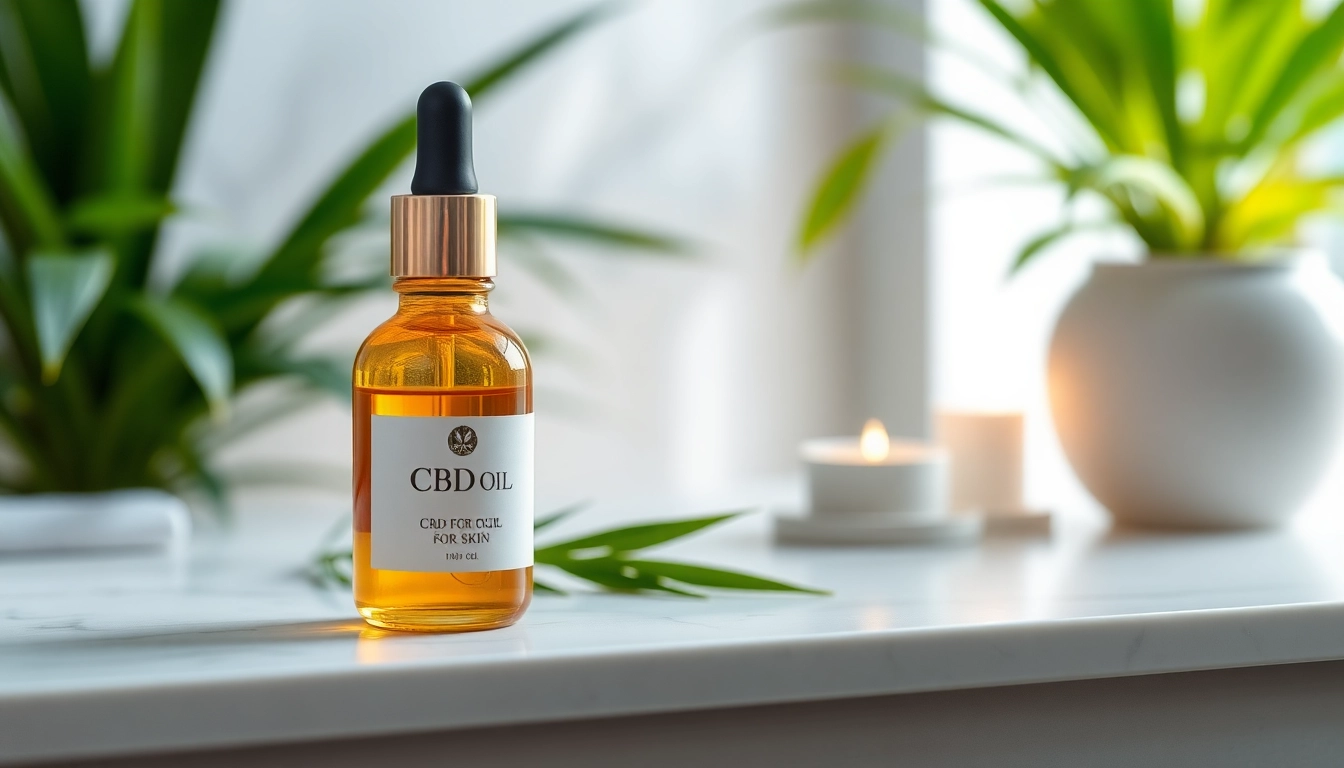
Understanding CBD Oil for Skin: What You Need to Know
Definition and Composition of CBD Oil
CBD oil, derived from the hemp plant, contains high concentrations of cannabidiol (CBD), a non-psychoactive compound known for its potential therapeutic benefits. Unlike THC, the component in cannabis responsible for psychoactive effects, CBD does not produce a "high." The composition of CBD oil typically includes a blend of broad-spectrum or full-spectrum hemp extracts, which may incorporate other beneficial cannabinoids and terpenes, along with carrier oils such as coconut or hemp seed oil. This combination enhances the oil's absorption and overall efficacy for skin applications. When discussing CBD oil for skin, one must consider not only the concentration of CBD but also the presence of these supportive compounds that can provide a synergistic effect on skin health.
How CBD Oil Interacts with Skin
The interaction of CBD oil with the skin primarily occurs through the endocannabinoid system (ECS), which is present in various skin cells, including keratinocytes and sebocytes. The ECS plays a vital role in regulating numerous skin functions, such as pain perception, inflammation, and cell turnover. When CBD is applied topically, it binds to cannabinoid receptors found in the skin, leading to a cascade of physiological responses. These responses typically promote healing and balance within the skin, aiding in the reduction of acne outbreaks and soothing irritation from conditions like eczema or psoriasis. Moreover, CBD oil’s antioxidant properties can help combat free radicals, providing additional protection against environmental stressors.
Common Misunderstandings about CBD Oil for Skin
Despite its growing popularity, several misconceptions surround CBD oil’s use for skin health. One common misunderstanding is the belief that all CBD oil products are the same. In reality, product formulations can vary greatly in terms of purity, concentration, and additional ingredients. Another misconception is that CBD products can replace traditional dermatological treatments entirely. While CBD oil offers notable benefits, it should not be viewed as a cure-all but rather as a complementary treatment. Educating oneself on the quality and intended use of these products is essential for achieving optimal results.
Benefits of CBD Oil for Skin Health
Reducing Inflammation and Irritation
One of the most acknowledged benefits of CBD oil is its anti-inflammatory properties. Studies have shown that CBD can help modulate the inflammatory response in the skin, making it an adjunct treatment for conditions such as acne, rosacea, and eczema. By decreasing the levels of inflammatory cytokines, CBD oil acts to soothe irritated skin, reduce redness, and promote a more balanced complexion. Additionally, its ability to regulate sebum production is particularly beneficial for those with oily or acne-prone skin, as excess sebum is a major contributor to acne flare-ups. By controlling inflammation, CBD oil helps in preventing and managing breakouts effectively.
Supporting Skin Hydration
CBD oil is known for its hydrating properties, which can be attributed to its composition of fatty acids and essential nutrients. The oil aids in enhancing the skin barrier function, helping to lock in moisture and prevent transepidermal water loss (TEWL). This is especially valuable for individuals with dry or sensitive skin types. By improving hydration, CBD oil not only promotes suppleness and elasticity but also serves to plump the skin, reducing the appearance of fine lines and wrinkles. Routine incorporation of hydrating products infused with CBD can lead to improved skin texture and a more youthful look.
Combating Acne and Breakouts
The application of CBD oil may assist in acne management through several mechanisms. First, its anti-inflammatory properties reduce the swelling and redness associated with acne. Second, by influencing the sebaceous glands, CBD oil can help balance sebum production and minimize the risk of clogged pores. Furthermore, CBD has demonstrated antibacterial properties effective against acne-causing bacteria. Together, these effects provide a multifaceted approach to preventing and treating various types of acne, making CBD oil a promising natural solution for those prone to breakouts.
How to Incorporate CBD Oil for Skin into Your Routine
Choosing the Right Products
When selecting CBD oil products for skin care, quality should always be the priority. Look for products that are third-party tested for purity and potency, ensuring that they contain the stated amount of CBD and are free of harmful contaminants. Full-spectrum or broad-spectrum oils are generally recommended, as they provide the benefits of multiple cannabinoids. Consider the formulation as well; oils, creams, and serums might have different effects depending on your skin type and goals. For instance, a lighter serum may be ideal for oily skin, whereas a rich cream may benefit dry skin.
Application Techniques
The method of application can significantly influence the efficacy of CBD oil for skin. For facial applications, start with a clean face, preferably using a gentle cleanser. Following this, apply a few drops of CBD oil or a cream that contains CBD, gently massaging it into the skin in upward motions. This not only helps with absorption but can also stimulate the underlying tissues. For concentrated areas like acne breakouts, a spot treatment may prove effective. It’s helpful to wait a few minutes after applying before layering other products to maximize absorption.
Frequency of Use for Optimal Results
When incorporating CBD oil into your skin care routine, consistency is vital. While some may see immediate benefits, others may require longer use to experience noticeable improvements. A general recommendation is to use CBD oil twice daily, once in the morning and once at night. Morning use can help provide a protective barrier throughout the day, while evening use can enhance repair and recovery during the night. Keeping a skincare journal can help track results and adjust the frequency based on individual skin response.
Safety and Side Effects of CBD Oil for Skin
Possible Reactions and Sensitivities
While CBD oil is generally well-tolerated, some individuals may experience adverse reactions, including skin sensitivity or allergic reactions. It's advisable to perform a patch test prior to applying CBD oil more broadly. Apply a small amount to a discreet area of skin and wait 24 hours to see if any irritation occurs. If any adverse reactions manifest, discontinue use and consult with a healthcare or skincare professional.
Consulting with a Dermatologist
Consulting with a dermatologist can provide valuable insights when considering the use of CBD oil for skin-related concerns. A dermatologist can help determine if CBD oil is appropriate for your specific skin type and conditions, and may provide guidance on the best usage techniques. They may also recommend complementary treatments, ensuring a holistic approach to skin health, especially for chronic issues like eczema or psoriatic conditions where expert advice can enhance treatment outcomes.
Dosage Recommendations for Skin Applications
There are no one-size-fits-all recommendations when it comes to the dosage of CBD oil for skin applications; it frequently depends on individual factors such as skin condition and product concentration. A common guideline is to start with a lower concentration, approximately 5-10 mg of CBD per use, and gradually increase as needed while monitoring the skin's response. Some products provide specific usage instructions; following these recommendations is essential while adjusting based on personal experience and results.
Exploring Scientific Research on CBD Oil for Skin
Recent Studies and Findings
Recent studies into the potential benefits of CBD oil for skin health have revealed promising results. Research indicates that CBD oil's anti-inflammatory properties can significantly reduce symptoms associated with various skin disorders. Additionally, studies examining the antibacterial properties of CBD highlight its efficacy in reducing acne-causing bacteria. Approximately 22% of participants experienced improvement in their skin condition when incorporating CBD oil treatments into their skincare routine.
Long-term Effects of CBD Oil Usage
Long-term studies involving CBD oil application have suggested beneficial effects on skin health without severe side effects. Participants reported sustained improvements in skin hydration and texture, alongside reduced inflammation in skin conditions like eczema and psoriasis, after several months of consistent use. While more extensive studies are necessary to fully understand the long-term implications and health benefits, existing research provides strong support for the continued exploration of CBD oil in skincare.
Comparative Analysis with Other Skincare Ingredients
When comparing CBD oil with traditional skincare ingredients such as retinoids or hyaluronic acid, its multifaceted benefits become apparent. While retinoids primarily target fine lines and skin cell turnover, CBD oil offers additional anti-inflammatory and hydrating properties that can address multiple skin concerns concurrently. Additionally, CBD oil's gentle nature makes it suitable for sensitive skin types where harsher ingredients may cause irritation. The future of skincare may well lie in the integration of CBD oil alongside these classic ingredients to facilitate synergistic effects in achieving healthy, radiant skin.