
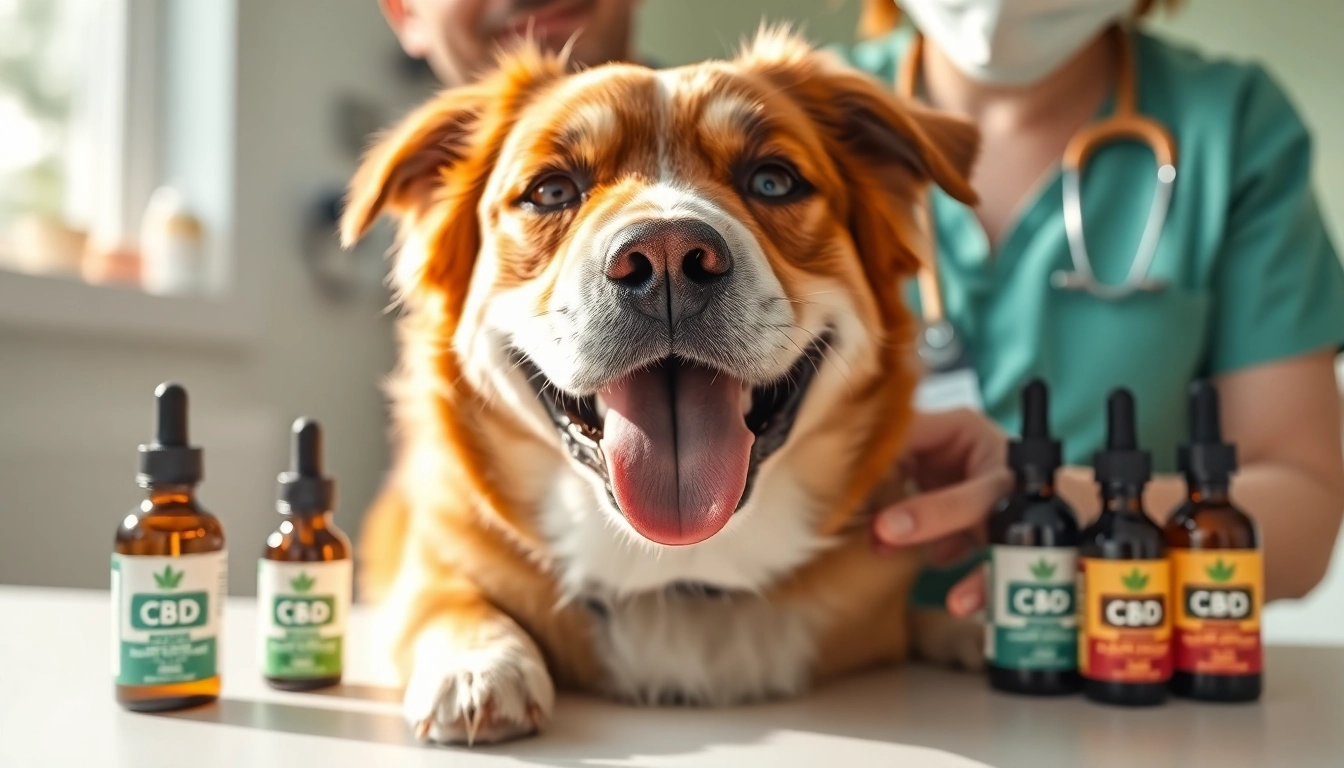
Understanding CBD Oil for Dogs: A Comprehensive Guide
Cannabidiol (CBD) has become a popular topic among pet owners, particularly when it comes to the health and well-being of dogs. With increasing awareness of its potential benefits, many pet owners are turning to CBD Oil For Dog products to address various health issues. This article dives deep into what CBD oil is, how it works in dogs, its benefits, and guidance on choosing and administering it safely.
What is CBD Oil For Dog?
Definition and Composition
CBD oil is a natural oil extracted from the hemp plant, specifically from its flowers and leaves. Unlike THC (tetrahydrocannabinol), the psychoactive component of cannabis, CBD is non-intoxicating, meaning it does not produce a "high." This makes it an appealing option for pet owners looking to enhance their dogs' health without the side effects associated with cannabis.
The composition of CBD oil typically includes a blend of CBD, other cannabinoids, terpenes, and carrier oils such as olive oil or coconut oil. The presence of these compounds may work synergistically, enhancing the oil's effects through what is known as the "entourage effect."
How CBD Works in Dogs
Like humans, dogs have an endocannabinoid system (ECS) that plays a crucial role in regulating various physiological processes, including pain, mood, and immune response. The ECS consists of receptors (CB1 and CB2), endocannabinoids produced by the body, and enzymes that break these compounds down.
When CBD is administered, it interacts with the ECS by binding to these receptors, which may help stimulate the body's natural healing processes. Research indicates that CBD can assist in reducing inflammation, managing anxiety, and alleviating pain, among other benefits.
Legality and Safety in Dog Use
The legality of CBD oil varies by jurisdiction, but most places that have legalized hemp-derived CBD products allow their use in animals. However, it's crucial to ensure that the CBD product has been sourced from legal hemp and meets safety regulations. Always consult with a veterinarian before introducing CBD oil to your dog's regimen to ensure it is appropriate for their specific health conditions.
Key Benefits of CBD Oil For Dog
Anxiety Management in Dogs
One of the most well-documented benefits of CBD oil is its ability to help manage anxiety in dogs. Whether it’s separation anxiety, noise phobias, or general stress, many dog owners have reported positive outcomes after administering CBD. This compound may help reduce anxiety levels by modulating serotonin receptors in the brain, promoting a sense of calm without sedation.
For instance, a study revealed that CBD significantly decreased anxiety behaviors in dogs during thunderstorm conditions, suggesting its efficacy as a natural alternative to traditional anxiolytic medications.
Relief from Joint Pain and Inflammation
CBD oil is increasingly being recognized for its anti-inflammatory properties, providing relief for dogs suffering from joint pain, especially due to conditions like arthritis. The oil may help to alleviate pain, improve mobility, and enhance overall quality of life. A study conducted on dogs suffering from arthritis showed that those treated with CBD experienced reductions in pain and improved mobility scores.
For older dogs or those with chronic pain, integrating CBD oil may offer a more holistic approach to enhancing mobility and reducing discomfort.
Support for Seizures and Epilepsy
For dogs diagnosed with epilepsy or those experiencing seizures, CBD oil may serve as a valuable supplementary treatment option. Research has indicated that CBD can help reduce the frequency and severity of seizures in dogs. A well-publicized study demonstrated that CBD oil could lead to a significant reduction in seizure frequency among canines, providing a potential adjunct therapy to traditional anti-seizure medications.
Choosing the Right CBD Oil For Dog
Understanding Product Labels
When navigating the market for CBD oil for dogs, understanding product labels is vital. Look for oils that clearly indicate the amount of CBD per dose, the source of the hemp, and whether the product is third-party tested for purity and potency. Certifications indicating that the product is free from pesticides, heavy metals, and solvents ensure you are providing a safe product to your dog.
Full Spectrum vs. Isolate CBD
CBD products are primarily categorized into three types: full-spectrum, broad-spectrum, and CBD isolate. Full-spectrum CBD products contain all cannabinoids found in the cannabis plant, including trace amounts of THC. Broad-spectrum CBD has no THC but retains other cannabinoids. CBD isolate is pure CBD with no additional compounds.
When it comes to dogs, full-spectrum products may offer enhanced therapeutic effects due to the entourage effect. However, it's crucial to discuss these options with a veterinarian to determine which might be best suited for your dog’s needs.
Consulting With Your Veterinarian
Before beginning any new treatment regimen, discussing it with your veterinarian is essential. They can provide valuable insights based on your dog's health history and current medications. A vet can help you determine the appropriate dosage and monitor your pet for any adverse effects or interactions with other treatments.
How to Administer CBD Oil For Dog
Dosage Guidelines for Different Sizes
Determining the right dosage for your dog depends on several factors, including their weight, health condition, and the concentration of CBD in the product. As a general guideline, a standard starting dose can range from 1-5 milligrams of CBD per 10 pounds of body weight. Factors such as the dog's age, metabolism, and unique responses to CBD should also be taken into account when adjusting dosage.
Always start at the lower end of the dosage range and gradually increase until the desired effect is achieved. Keeping a journal of your dog's behavior and symptoms can help track the effectiveness and necessary adjustments over time.
Administering Techniques: Treats vs. Direct
There are different methods of administering CBD oil to dogs. Many dog owners choose to administer it directly into the dog's mouth using a dropper for precise dosing. Others may prefer to mix it into their dog’s food or offer it in the form of treats. It's essential to consider your dog's preferences, as some may be more receptive to certain methods than others.
For those dogs that are fussy about taste, disguising CBD oil in a favorite treat or peanut butter can facilitate easier administration. Be mindful of the total caloric intake to prevent overfeeding.
Signs to Monitor After Administration
After administering CBD oil, it’s crucial to monitor for any changes in behavior or physical signs. This may include observing their mood, mobility, and overall demeanor. Positive changes can signify relief from anxiety or pain, while negative reactions—such as excessive drowsiness or gastrointestinal discomfort—may indicate the need for dosage adjustment or reevaluation of the product used. Keeping a detailed log of these observations can be invaluable in discussions with your veterinarian.
Potential Side Effects and Considerations
Common Side Effects to Watch For
While CBD oil is generally well-tolerated in dogs, some side effects may still occur. Common side effects can include drowsiness, dry mouth, and gastrointestinal upset. Monitoring your dog for these effects during the initial administration phase is essential in determining the suitability of the CBD product.Utilizing a lower starting dosage may help mitigate these effects until your dog adjusts.
When to Stop Using CBD Oil For Dog
If your dog exhibits adverse reactions or if symptoms persist despite appropriate use, it may be an indication to discontinue administration. Additionally, if your dog's health condition changes or worsens, consult with your veterinarian to reassess treatment with CBD oil. Every dog is unique, and as such, finding the right treatment plan may require iterations of adjustments to dosages or the specific product used.
Staying Informed and Updated on Research
The field of veterinary CBD research is evolving, and advancements in studies offer valuable insights into the full potential of cannabidiol for dogs. Staying informed about the latest research can empower dog owners with knowledge that may positively influence their pets' health. Engaging with reputable veterinary sources and continuing discussions with veterinarians will ensure that you’re equipped with the best practices in your dog’s care regimen.
In conclusion, CBD oil presents a promising option for managing a variety of health concerns in dogs. With proper understanding, dosages, and product selection, dog owners can harness the potential benefits of CBD oil, enhancing their canine companions' quality of life.