
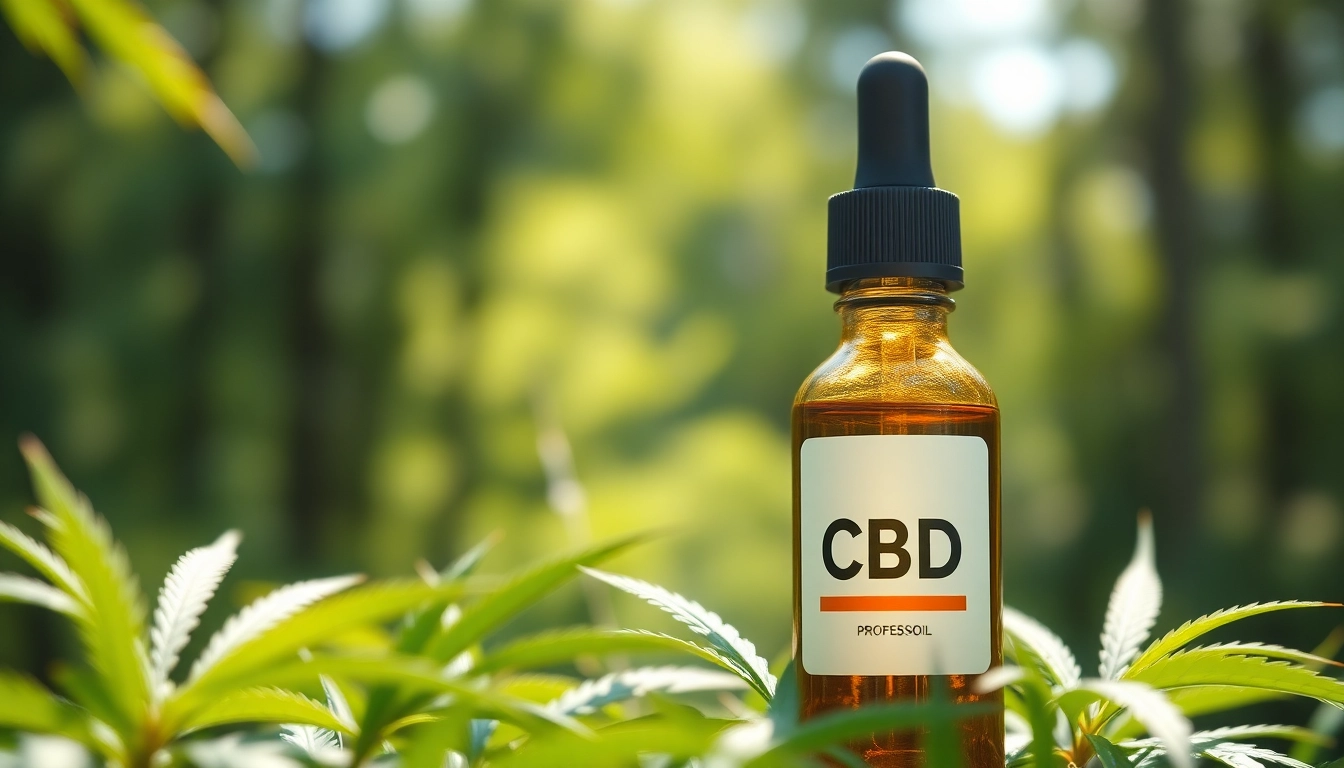
What is CBD? Understanding Its Core Properties
Defining CBD and Its Sources
Cannabidiol, commonly known as CBD, is one of the primary chemical compounds found in the cannabis plant. Unlike its more famous counterpart, tetrahydrocannabinol (THC), CBD is non-psychoactive, meaning it does not create the euphoric "high" typically associated with marijuana. This property makes CBD appealing as a therapeutic option for many individuals seeking natural remedies without the mind-altering effects of THC.
CBD is predominantly derived from hemp, a variety of cannabis that is cultivated specifically for industrial purposes. Hemp contains high levels of CBD and minimal THC (usually below 0.3%), which is significant in ensuring compliance with legal restrictions in various regions. The extraction method used can also impact the final product; common techniques include CO2 extraction, oil infusion, and ethanol extraction, each affecting the purity and potency of the final CBD product.
Differences Between CBD and THC
Though both CBD and THC are cannabinoids, they exhibit distinct differences in their effects on the human body. THC binds directly to the cannabinoid receptors in the brain, particularly the CB1 receptors, leading to the psychoactive effects experienced by users. Conversely, CBD has a lower affinity for the same receptors. Instead of binding to them, CBD blocks the receptors from being activated by THC, which can mitigate some of the psychoactive effects.
This fundamental difference lays the groundwork for their uses; while THC is often utilized for recreational purposes or to alleviate symptoms such as nausea caused by chemotherapy, CBD is used to address concerns such as anxiety, inflammation, and epilepsy without the intoxicating effects.
How CBD Works in the Body
The human body has an established endocannabinoid system (ECS) that consists of receptors, enzymes, and endocannabinoids. CBD interacts with this system, although it doesn’t bind directly to cannabinoid receptors like THC. Instead, it influences the ECS to help maintain homeostasis by impacting receptors such as TRPV1, which is involved in pain perception, or the 5-HT1A receptor, associated with anxiety and depression.
Research indicates that CBD can help modulate various physiological processes, including mood, immunity, and pain sensation. By promoting balance within the body, CBD may contribute to improved overall health and well-being.
Health Benefits of CBD: A Detailed Insight
Using CBD for Anxiety and Stress Relief
Anxiety disorders are among the most common mental health issues globally, affecting millions of individuals. Early studies suggest that CBD may help alleviate symptoms of various anxiety conditions, including generalized social anxiety disorder, post-traumatic stress disorder (PTSD), and obsessive-compulsive disorder (OCD).
Research has demonstrated that CBD offers anxiolytic effects by interacting with serotonin receptors in the brain. A study indicated that participants consuming CBD reported a reduction in anxiety symptoms when evaluated before public speaking engagements. The calming properties of CBD potentially provide a safe alternative to traditional anxiolytics, which can often bear addictive qualities and undesirable side effects.
Potential Effects of CBD on Pain Management
One of the most compelling applications of CBD is within the realm of pain management. Studies have shown that CBD's anti-inflammatory properties may play a crucial role in alleviating chronic pain, reducing the need for more potent pain medications that can carry risk profiles, including addiction.
Research conducted on patients suffering from conditions such as fibromyalgia, arthritis, and multiple sclerosis has revealed positive responses to CBD treatment. By reducing inflammation and acting on pain pathways, patients have reported increased quality of life and reduced pain levels.
Other Promising Benefits of CBD Usage
Beyond anxiety relief and pain management, CBD's potential health benefits extend to a variety of conditions. For instance, studies have suggested that CBD may help manage symptoms related to neurological disorders such as epilepsy and multiple sclerosis. The FDA has even approved a CBD-based medication for treating certain forms of epilepsy.
Additionally, CBD has shown promise in improving sleep quality and reducing insomnia, making it an attractive option for individuals struggling with sleep disturbances. Its anti-inflammatory effects can also benefit skin health, offering potential treatment for conditions such as acne and eczema.
Choosing the Right CBD Products for Your Needs
Types of CBD Products Available
The market offers a wide variety of CBD products to cater to diverse needs and preferences. These products can be categorized broadly into the following types:
- Oils and Tinctures: Concentrated CBD extracts that can be ingested sublingually for rapid absorption.
- Edibles: CBD-infused food products like gummies and chocolates that offer a tasty alternative for consumption.
- Topicals: Creams and lotions infused with CBD aimed at localized pain relief or skin treatment.
- Vape Products: CBD vape oils that allow for inhalation, providing instant effects.
- Capsules: Pre-measured CBD doses in pill form, convenient for those familiar with traditional medications.
Factors to Consider When Purchasing CBD
When selecting a CBD product, several factors should be considered to ensure quality and efficacy:
- Source of CBD: Choose products derived from organically grown hemp free from pesticides and harmful chemicals.
- Full-Spectrum vs. Isolate: Full-spectrum products contain a variety of cannabinoids and terpenes, which may enhance the therapeutic benefits due to the entourage effect. Isolate products contain pure CBD, ideal for those avoiding even trace amounts of THC.
- Lab Testing: Third-party lab test results provide assurance of product purity and potency. Always check for this certification before purchase.
- Method of Extraction: CO2 extraction is generally preferred due to its ability to produce high-quality extracts without harmful solvents.
- Reputation of the Brand: Investigate the manufacturer’s reputation through customer reviews, industry standing, and transparency regarding sourcing and testing.
Understanding CBD Dosage Recommendations
Determining the appropriate dosage of CBD can be subjective, as individual responses may vary based on factors like weight, metabolism, the severity of the condition being treated, and the concentration of the product used. While there are no established dosage guidelines, a general approach involves starting with a low dose and gradually increasing it until the desired effects are observed.
Healthcare providers typically recommend starting with a dose of 5-10 mg of CBD per day, monitoring effects, and adjusting as necessary. It's crucial to consult with a healthcare professional, especially when combining CBD with other medications, to avoid potential drug interactions.
Safety and Side Effects of CBD: What to Know
Common Side Effects of CBD Use
While many individuals tolerate CBD well, side effects can occur. Commonly reported adverse effects include:
- Dry mouth
- Drowsiness or fatigue
- Changes in appetite
- Dizziness
- Diarrhea
These side effects are often mild and may resolve with continued use. However, if serious side effects are experienced, it is essential to consult a healthcare provider promptly.
Who Should Avoid CBD?
While CBD is often safe for many individuals, certain populations should exercise caution. Pregnant or breastfeeding women should avoid CBD due to insufficient research on its effects during these periods. Additionally, individuals taking medications with a grapefruit warning should consult their healthcare provider before using CBD, as it may interfere with liver enzymes that metabolize various drugs.
Research on CBD’s Safety Profile
Research into the safety profile of CBD continues to expand. To date, studies suggest that CBD is well-tolerated in both short-term and long-term use. Clinical trials and observatory studies have not reported significant adverse effects associated with therapeutic doses. Future research will continue to shed light on long-term effects and safety, paving the way for informed consumer choices.
Legality of CBD: Current Regulations and Future Trends
Understanding CBD Laws by State
The legal status of CBD varies substantially across different states in the U.S. At the federal level, the 2018 Farm Bill legalized hemp-derived CBD, provided it contains less than 0.3% THC. However, while federal regulations permit its sale, some states impose additional restrictions or maintain stricter regulations, including licensing and testing requirements. It is critical to be aware of your state’s laws regarding CBD to ensure compliance.
Impact of Federal Policies on CBD
Federal policies and regulations continue to shape the CBD market. The FDA is actively monitoring and regulating CBD products, particularly regarding health claims and labeling accuracy. As the regulatory landscape develops, it is expected that more standardized guidelines will emerge, providing consumers with clearer parameters within which to navigate the CBD marketplace.
Future of CBD in the Market
The future of CBD appears bright as consumer demand remains robust, bolstered by growing public awareness and the potential health benefits associated with its use. Innovations in product formulation, increased research funding, and expanding regulatory frameworks will likely contribute to a more diverse range of offerings in the market.
As the industry evolves, consumers should remain informed and engaged, ensuring they make choices that align with their needs while adhering to legal regulations.