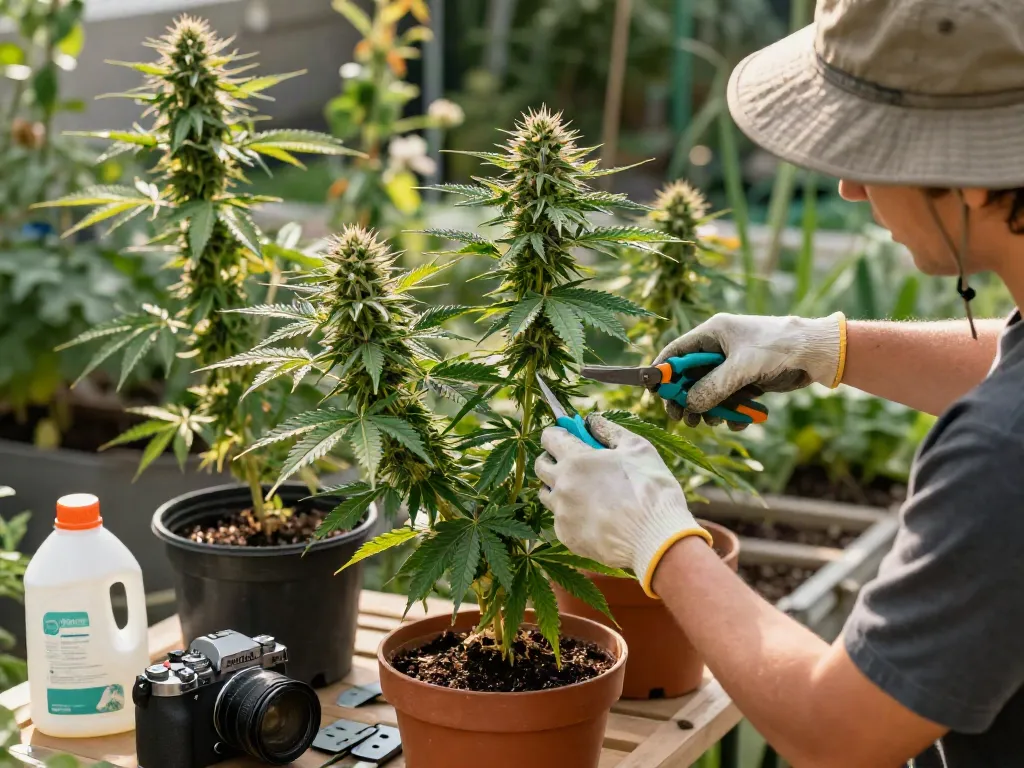
Understanding the Health Benefits of CBD
As interest in cannabinoids grows, individuals are increasingly exploring the potential wellness benefits that CBD (cannabidiol) offers. CBD is a naturally occurring compound extracted from the hemp plant, which interacts with the body’s endocannabinoid system (ECS) to promote homeostasis. When looking for methods to improve overall wellness, a dispensary that ships can be a reliable source for lab-tested, high-quality CBD products.
Potential Therapeutic Uses of CBD
Research suggests that CBD may have a variety of therapeutic applications, ranging from anxiety relief to pain management. It has been studied for its potential to alleviate symptoms associated with stress and anxiety disorders, making it a promising option for many seeking alternative treatments. Additionally, some studies suggest that CBD may help improve sleep quality, reduce inflammation, and support recovery after exercise.
Research-Backed Health Benefits
Numerous studies have explored the efficacy of CBD in managing various health conditions. For instance, a systematic review published in the journal Neurotherapeutics reported that CBD significantly reduced seizure frequency in patients with epilepsy resistant to traditional medications. Another study indicated its potential in reducing anxiety and improving sleep. While more research is needed, these findings contribute to understanding the therapeutic potential of CBD.
Individual Responses to CBD
It's essential to recognize that individual responses to CBD can vary widely. Factors such as body weight, age, metabolism, and the specific condition being treated can influence how one might respond to CBD. Therefore, a personalized approach, involving proper dosage and administration methods, is recommended to maximize benefits.
Exploring Product Types and Delivery Methods
As the CBD market expands, understanding the variety of product types available can help consumers make informed choices. Each product type offers different delivery methods and bioavailability levels, meaning they work differently in your body.
CBD Oils and Tinctures
CBD oils and tinctures are some of the most popular forms of CBD products. They offer high bioavailability due to sublingual absorption, allowing the compound to enter the bloodstream more quickly. Dosage can be easily adjusted by varying the number of drops taken. Start low and gradually increase until you find your optimal dose. Onset time typically ranges from 15 to 45 minutes.
Edibles: Gummies and Baked Goods
CBD-infused edibles, such as gummies and baked goods, provide a tasty way to consume CBD. However, edibles have lower bioavailability because they must pass through the digestive system before becoming effective, leading to a delayed onset of effects—usually between 30 minutes to 2 hours. The effects can last longer compared to other forms, but they may vary based on individual metabolism.
Vaping Products and Their Effects
Vaping offers a quick onset of effects, often felt within minutes. Vaping products include cartridges, disposables, and vape juices, with a focus on achieving the right flavor and vapor production. It’s important to consider the wattage and coil resistance when selecting a vaping product. However, users should be cautious of potential lung issues associated with vaping.
Dosage Guidelines and Usage Recommendations
Finding the right dosage can be challenging, but understanding the factors that influence it is crucial. A starting point often recommended is the “start low, go slow” approach, where users begin with a low dose and gradually increase it based on their individual response.
Understanding CBD Potency and Concentration
CBD products vary in potency and concentration, which directly affects dosing. Labels typically indicate total milligrams of CBD per serving and the overall volume. Understanding these concentrations helps consumers gauge how much to take. For those new to CBD, a product with a lower concentration may be beneficial as you learn how your body reacts.
Calculating Your Ideal Dosage
Calculating an ideal dosage involves considering body weight and intended effects. A general guideline is 1-6 mg of CBD for every 10 pounds of body weight. For instance, a 160-pound individual might start with a dose between 15-30 mg. Monitoring your body’s response over time will help determine the best dosage for your needs.
Monitoring Your Response to CBD
Keeping a journal can be an effective method to track how CBD effects you. Note your moods, symptoms, and any changes in overall well-being. This feedback loop not only helps in identifying the right dosage but also in recognizing what product formats suit you best.
Quality Indicators for CBD Products
When purchasing CBD, ensuring product quality is paramount. Higher-quality products are more likely to yield effective results.
Importance of Third-Party Testing
Third-party testing plays a crucial role in verifying product quality. Look for brands that provide Certificates of Analysis (COA), which confirm the potency and purity of their products. A reputable product will be free from contaminants such as heavy metals, pesticides, and residual solvents.
Reading Certificates of Analysis (COA)
Understanding how to read a COA is vital for confirming the safety and potency of CBD products. Look for the cannabinoid profile, which outlines the total amount of CBD and THC, as well as results for any contaminants. This transparency is a hallmark of quality assurance.
Identifying Reputable Brands
Choose brands with a strong reputation in the industry, characterized by positive customer reviews and clear labeling practices. Be wary of brands that lack transparency or make exaggerated claims about their products.
Staying Compliant with Legal Standards
As the CBD industry evolves, it is vital for consumers to remain informed about the legal landscape to ensure compliance.
Current Legal Status of CBD in 2026
The 2018 Farm Bill legalized hemp-derived CBD products at the federal level, establishing regulations governing the marketing and sale of these products. However, state laws may vary, with some states imposing additional restrictions on the sale and use of CBD.
Understanding the 2018 Farm Bill and Its Implications
The 2018 Farm Bill allows the cultivation of hemp and the production of hemp-derived products, provided the THC content remains below 0.3%. Knowing the specifics of this bill helps ensure you’re compliant when purchasing CBD products within various jurisdictions.
Safety Considerations and Usage Precautions
While CBD is generally regarded as safe, it is essential to consider potential side effects. Some users may experience fatigue, dry mouth, or digestive changes. Additionally, individuals on specific medications should consult a healthcare professional prior to using CBD products to avoid adverse interactions.
What are the Potential Side Effects of CBD?
Though most users tolerate CBD well, some may encounter side effects. These can include dizziness, fatigue, and changes in appetite. Monitoring your body's response can help manage any potential side effects effectively.
Can CBD Interact with Other Medications?
CBD may affect how other medications are metabolized. Particularly, those taking blood thinners or medications that impact liver enzymes should consult with a healthcare provider before using CBD to avoid complications.
Best Practices for Storing CBD Products
Storing CBD products properly ensures they maintain their potency and effectiveness. Keep them away from direct sunlight and store them in a cool, dry place. Ensuring they are sealed properly can also prevent degradation.
Health & Wellness Content
Integrating CBD into your wellness routine can provide a holistic approach to managing health and enhancing well-being.
Discussing Potential Therapeutic Applications
- Anxiety and Stress Management: CBD may help reduce anxiety symptoms and promote relaxation, making it a helpful option for stress management.
- Sleep Quality Improvement: Some users report improved sleep quality when using CBD, aiding those who struggle with insomnia.
- Pain and Inflammation Reduction: CBD possesses anti-inflammatory properties that may alleviate chronic pain conditions.
- Focus and Mental Clarity: Some individuals find that CBD enhances mental clarity and focus, providing a calm and centered state.
- Post-Workout Recovery: CBD may facilitate muscle recovery and reduce inflammation after intense exercise sessions.
Explaining the Endocannabinoid System (ECS)
The ECS plays a crucial role in maintaining homeostasis in the body by balancing various physiological processes. CBD interacts with this system to help manage pain, inflammation, mood, and cognitive function, making it a valuable compound for overall wellness.
Addressing Bioavailability Differences Between Delivery Methods
The bioavailability of CBD—how effectively it enters the bloodstream—can differ based on the delivery method. For example, vaping offers the highest bioavailability, followed by sublingual oils, and then edibles. Understanding these differences can assist users in selecting the most appropriate products for their needs.
Covering Proper Storage Methods to Maintain Potency
To retain the potency and freshness of CBD products, proper storage is essential. Cool, dark places work best for oils and tinctures, while edibles should be kept in airtight containers to preserve their texture and flavor.
Explaining Shelf Life Considerations
CBD products can have varying shelf lives depending on their formulation. Oils typically last longer than edibles, which can degrade faster. Always check for expiration dates and consume products before they reach this threshold for optimal effects.
Safety & Compliance
Ensuring the safety and legality of CBD products is paramount for consumers. Understanding compliance with federal and state regulations helps in making educated purchase decisions.
Including Mandatory FDA Disclaimers Throughout
It’s vital to consider that these statements regarding CBD products have not been evaluated by the Food and Drug Administration. As such, these products are not intended to diagnose, treat, cure, or prevent any disease, and consulting healthcare professionals is recommended before starting any CBD regimen.
Addressing Potential Side Effects and Contraindications
Common side effects of CBD can include fatigue, changes in appetite, dry mouth, and digestive issues. Those who are pregnant or breastfeeding should also avoid CBD unless advised otherwise. Understanding these precautionary factors is essential in making informed choices regarding CBD use.
Discussing Drug Testing Concerns
For individuals concerned about drug testing, it's important to note that full-spectrum CBD products may contain trace amounts of THC. If drug testing is a concern, opting for CBD isolates or broad-spectrum products can eliminate this issue, as they contain no THC.
Age Restrictions and Responsible Use Messaging
Federal regulations dictate that individuals must be 21 years or older to purchase CBD products. Responsible use messaging should be prominently included in any discussion regarding CBD consumption, promoting safety and adherence to age restrictions.
Quality Control and Counterfeit Product Warnings
Be wary of counterfeit products and those that don't provide transparency regarding their sourcing and testing. Authenticity and quality control are essential in ensuring product safety and efficacy. Look for brands emphasizing integrity and transparency throughout their manufacturing processes.
Content Quality & Depth
The information presented here serves as a comprehensive resource for individuals looking to enhance their wellness through safe CBD consumption. Scientific credibility and thorough research support the potential health benefits, ensuring readers are well-informed.
Providing Evidence-Based Wellness Information
Consumer awareness is pivotal in navigating the vast CBD landscape. Utilizing peer-reviewed studies, reputable sources, and collaborative business practices helps reinforce the reliability of CBD products. Encouraging critical thinking amongst consumers will serve as a protective measure against misleading claims.
Including Realistic Examples and User Scenarios
For instance, a user suffering from chronic pain might find relief utilizing a high-potency CBD oil, while another dealing with anxiety may prefer gummies for their slow-release effects. Individual preferences and experiences will dictate which product formats are best suited to one’s needs.
Explaining Technical Concepts in Accessible Terms
Breaking down technical aspects of CBD, such as extraction methods and bioavailability, into easier-to-understand language emphasizes the importance of informed decision-making. Resources should aim to make this information accessible to audiences regardless of their prior knowledge of CBD.
Offering Actionable Tips Readers Can Immediately Implement
Readers should be encouraged to explore different product types, monitor their responses, and consult healthcare professionals for personalized advice. Additionally, those interested should engage in community discussions to learn from others’ experiences with CBD.
Comparing Different Product Types, Brands, or Methods Objectively
Providing comparative analyses allows readers to weigh the pros and cons of CBD oils versus edibles or isolate versus full-spectrum options. Objectivity in presenting product reviews will assist consumers in making informed decisions tailored to their specific wellness goals.
Including Current 2026 CBD/Vaping Industry Trends and Updates
With the continuous evolution of legislation and scientificresearch, readers should stay abreast of emerging trends. Whether it's new product launches, regulatory changes, or innovative delivery methods, staying informed is crucial for users interested in integrating CBD into their routines.
Addressing Both CBD and Vaping Topics Where Relevant
As vaping continues to gain popularity, understanding how it intersects with CBD use is valuable. Exploring the effects, delivery efficiencies, and trends in vaping CBD products will empower readers to make informed choices between consumption methods.
Maintaining an Educational, Trustworthy Tone
An educational tone emphasizes the importance of making informed decisions regarding CBD products without making exaggerated claims. Empowering readers to engage critically with the information provided helps foster a culture of responsible consumption.
Avoiding Guaranteed Specific Health Outcomes
Personal anecdotes and testimonials can be insightful; however, they should never imply guaranteed results. Each individual's experience with CBD will differ based on numerous factors, emphasizing the need for a customized approach.
Focusing on Informed Decision-Making and Quality Awareness
The evolution of the CBD market presents both opportunities and challenges. Encouraging consumers to prioritize quality, educate themselves about regulations, and engage thoughtfully with their choices encourages long-term success in their wellness journeys.