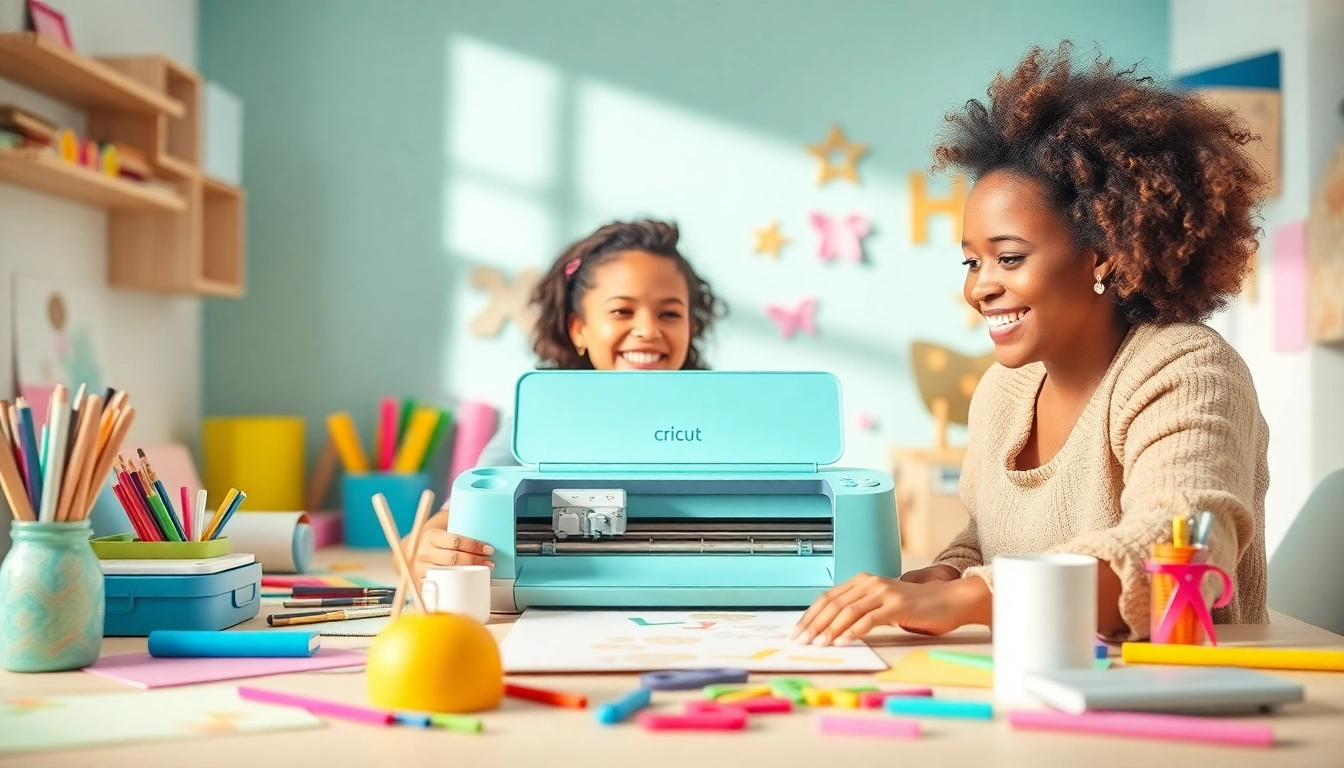
Getting Started with Cricut for Beginners
Entering the world of Cricut crafting can be both exciting and overwhelming for beginners. Whether you're a seasoned DIY enthusiast or just dipping your toes into the creative waters, understanding how to effectively use a Cricut machine can enhance your crafting experiences. For newcomers, this guide provides a structured approach to getting acquainted with the Cricut machine, essential tools and materials, and setting up a productive workspace. When exploring options, Cricut for beginners offers comprehensive insights that help streamline your journey into the art of crafting with Cricut machines.
Understanding Your Cricut Machine
Your Cricut machine is a versatile tool that can cut, write, and even score various materials. The most popular models among beginners include the Cricut Explore Air 2 and the Cricut Maker. Each machine has unique features tailored for different crafting needs. The Explore Air 2 is ideal for basic projects like vinyl decals and paper crafts, while the Cricut Maker opens up possibilities for heavier materials and advanced projects like fabric and leather.
It's essential to become familiar with your machine, its components, and its capabilities. For instance, understanding how to change blades and prepare materials will significantly streamline your crafting process. Additionally, the companion software known as Design Space is crucial for planning and executing your projects, so take some time to explore its functions.
Basic Tools and Materials for New Users
Starting your Cricut journey also involves gathering some essential tools and materials. Here’s a quick list of what you might need:
- Cutting Mat: Choose the right strength mat (light, standard, or strong grip) based on your material.
- Blades: Ensure you have the right blades for your projects, such as the fine-point blade and rotary blade.
- Weeding Tools: These are essential for removing excess material from your cuts.
- Transfer Tape: Ideal for applying vinyl decals smoothly.
- Materials: Vinyl, cardstock, and specialty papers are great starting points.
As you progress, you may want to experiment with more advanced materials like iron-on vinyl or unique textures, so keep an eye out for new products in the crafting world.
Setting Up Your Cricut Workspace
Creating a dedicated and organized workspace is vital for productivity and inspiration. Choose a space with adequate lighting and room to maneuver your equipment. Clear off a sturdy table to accommodate your Cricut machine and accessories.
Label your tools and materials to streamline the workflow. Having everything within arm's reach can prevent unnecessary interruptions during your crafting sessions. Moreover, consider integrating practical storage solutions like drawers or carts to keep your supplies tidy and easily accessible.
Essential Cricut Techniques for New Users
Once you've familiarized yourself with your Cricut machine and workspace, it's time to dive into some essential techniques that will empower you to take on various projects with confidence.
How to Load Materials Correctly
Loading your materials correctly is the first step to ensuring accurate cuts. Start by preparing your material and aligning it with the grid lines on your cutting mat. Ensure that the material lies flat without any wrinkles or bubbles. After placing it on the mat, use a scraper tool to firmly adhere it to avoid slipping during cutting.
Basic Design Space Navigation
Design Space is your primary software tool for creating and managing designs. Familiarize yourself with its interface, which includes a canvas area, a toolbar, and a design panel. Import or create designs by using text, shapes, or uploading your graphics. Learning to navigate this platform effectively will save you time and allow for more creative expression.
Cutting Techniques and Tips
Understanding cutting techniques is essential for project success. Always ensure that your blade is sharp and suited for the material you are using. Adjusting the pressure settings in Design Space can also affect how deeply the blade cuts into the material, so use test cuts to determine optimal settings.
Regularly clean your blade and cutting mats to maintain cutting precision. Additionally, practice on scrap materials before starting on a final project to hone your skills and boost your confidence.
Beginner Project Ideas with Cricut
Once you're comfortable with the basics, it's time to get creative! Here are some fun and beginner-friendly project ideas to help you explore the capabilities of your Cricut machine:
Simple Vinyl Decals to Start With
Vinyl decals make for a great first project. Start with simple shapes or text that can be applied to walls, mugs, or laptop covers. This project allows you to practice your weeding and application techniques, making it a rewarding experience.
Creating Custom Greeting Cards
Once you've mastered the vinyl decals, try your hand at greeting cards. Use cardstock and Design Space to create intricate designs, layering various elements for a stunning finish. Consider personalizing them with names or dates for special occasions.
Fun T-Shirt Designs for Beginners
Creating custom t-shirts is another exciting project. Using iron-on vinyl, you can design unique shirts for yourself or as gifts. This will not only allow you to practice cutting and weeding but also familiarize you with applying heat transfer materials.
Common Challenges for Cricut Beginners
While the journey into Cricut crafting is largely rewarding, challenges can arise. Being aware of possible pitfalls and knowing how to navigate them can enhance your experience.
Addressing Cutting Errors and Issues
Cutting errors can be frustrating for beginners. Common issues might include materials shifting, misalignment, or blade dullness. Always double-check your material settings and blade condition before starting a project. Performing test cuts on similar materials can also help address potential errors quickly.
Understanding Design Space Limitations
Design Space is powerful, but it has its limitations. Familiarize yourself with the software's capabilities and know that not all images will cut perfectly. Some intricate designs may require you to simplify shapes or adjust settings to achieve optimal results.
Time Management Tips for Crafting
Crafting can be time-consuming, especially for beginners. To manage your time effectively, consider breaking projects into stages, like planning, cutting, and assembling. Set realistic deadlines and allow for breaks to avoid burnout.
Future Trends in Cricut Crafting for Beginners
The world of Cricut crafting is continually evolving. Staying updated on trends and innovations can keep your projects fresh and engaging.
Innovations in Cricut Technology by 2026
By 2026, we can expect advancements in Cricut technology that enhance usability and creativity. Anticipated features include smarter machines that automatically adjust settings based on material types and enhanced integration with online design communities.
Emerging Crafting Materials and Tools
As the crafting market expands, new materials will become available. Look for eco-friendly options and innovative textures that can add depth and uniqueness to your projects. Materials like biodegradable vinyl and specialty fabrics are gaining popularity.
Community and Online Resources for Ongoing Support
The Cricut crafting community is vibrant and supportive. Engaging with online forums, social media groups, and local crafting meetups can provide continuous learning opportunities. Resources like tutorials and workshops can enhance your skills and inspire your creativity.
With the right knowledge, tools, and community support, using a Cricut machine can transform your crafting experience. So, gather your materials, dive into projects, and unleash your creativity!