
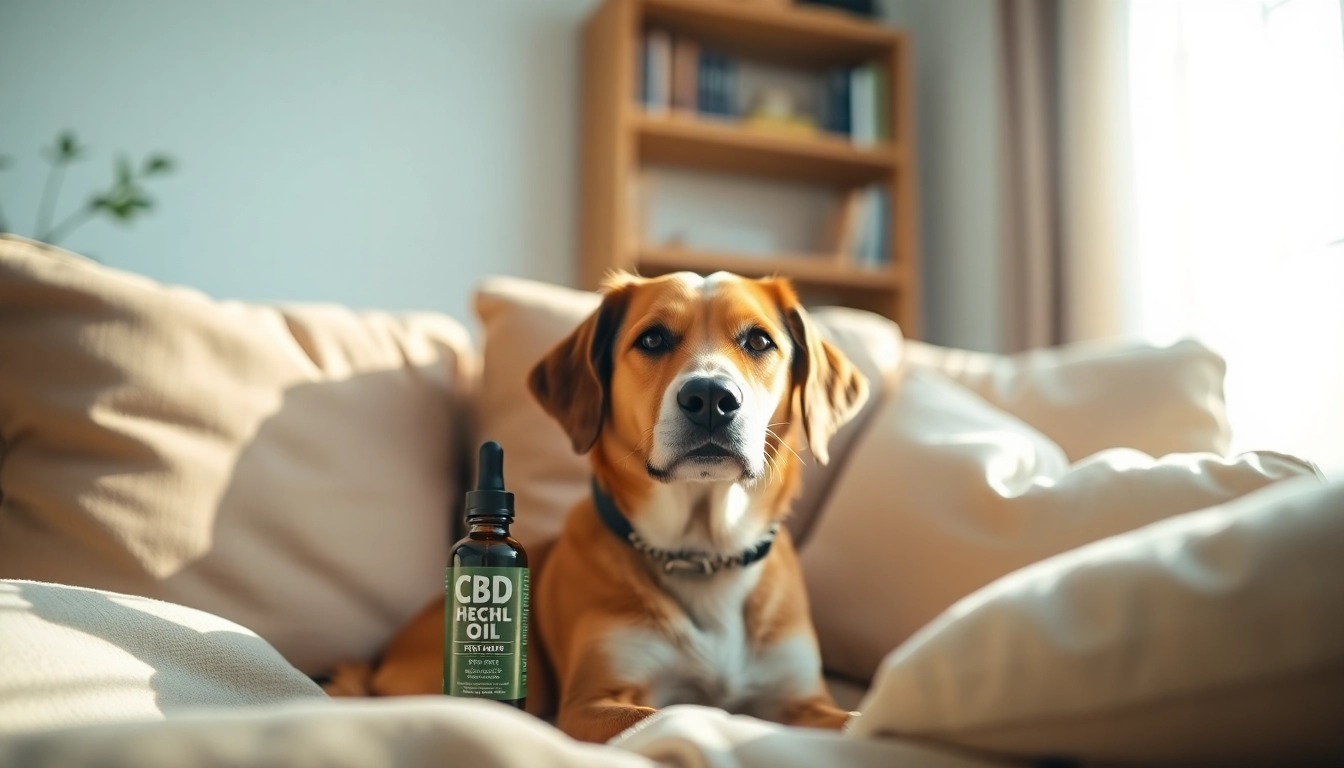
Unlocking the Potential of CBD For Pet Health and Wellness
The wellness of our pets is paramount, and many pet owners are turning to innovative solutions to enhance their furry friends' quality of life. One of the most talked-about products in recent years has been cannabidiol (CBD). This unique compound, derived from hemp and cannabis plants, is gaining popularity for its potential health benefits for pets. In this comprehensive guide, we will explore the essence of CBD For Pet, discuss how it works, its benefits, and how to choose and use these products wisely.
Understanding CBD For Pet: What It Is and How It Works
Definition and Overview of CBD For Pet
CBD is a non-psychoactive component of the cannabis plant known for its therapeutic properties. Unlike tetrahydrocannabinol (THC), which is the compound responsible for the "high" sensation, CBD interacts with the endocannabinoid system (ECS) in both humans and animals, promoting various physiological processes. The ECS is a complex cell-signaling system that plays a vital role in regulating mood, sleep, appetite, and pain sensation. By modulating these crucial functions, CBD may offer a natural avenue for improving pets' quality of life.
How CBD Affects Pets
Pets, much like humans, possess an endocannabinoid system, which enables them to respond to CBD. Research indicates that CBD may alleviate anxiety, reduce inflammation, and improve overall wellbeing in animals. By engaging with ECS receptors, CBD helps to encourage homeostasis, or balance, in the body. This can lead to improvements in stress levels, mobility, digestive health, and more.
Different Forms of CBD For Pet
When considering CBD for pets, various forms are available, catering to different preferences and needs:
- Oils and Tinctures: These are liquid extracts that can be easily administered directly or mixed into food.
- Edibles and Treats: CBD-infused treats are a popular choice among pet owners for their convenience and palatability.
- Topicals: Creams and balms infused with CBD can be applied directly to sore areas, providing targeted relief.
- Capsules: Gel capsules offer a straightforward dosing option for pet owners familiar with supplement routines.
Potential Benefits of CBD For Pet
Reducing Anxiety and Stress in Pets
Anxiety in pets can manifest in various ways, including excessive barking, destructive behavior, or withdrawal. Studies suggest that CBD may help reduce anxiety levels by interacting with serotonin receptors in the brain, positively influencing mood and behavior. Many pet owners report significant improvements in their pets' stress-related behaviors after incorporating CBD into their routines. Whether during thunderstorms or fireworks, CBD can be an effective natural remedy to promote calmness and relaxation.
Improving Joint and Mobility Health
Joint pain is a common source of discomfort for aging pets, particularly dogs. CBD has been shown to have anti-inflammatory properties that may assist in reducing pain and improving joint health. It can potentially improve mobility, allowing pets to reclaim their active lifestyles. Regular use of CBD alongside physical therapy or exercise may enhance overall mobility and comfort levels in pets suffering from arthritis or joint degeneration.
Supporting Digestive Wellness
A healthy digestive system is crucial for pets' overall wellbeing. CBD may aid in reducing nausea and vomiting, making it a useful supplement for pets with sensitive stomachs. By promoting appetite and easing gastrointestinal discomfort, CBD can be an effective partner in managing digestive health issues. Many pet owners notice an improvement in their pets' eating habits and digestive function when incorporating CBD into their dietary regimen.
How to Choose High-Quality CBD For Pet
Understanding Ingredients and Sourcing
Choosing high-quality CBD products begins with understanding the ingredients involved. Look for products sourced from organic hemp farms, ensuring they are free from pesticides, herbicides, and heavy metals. Additionally, check for transparency regarding sourcing practices. Reputable brands provide detailed information outlining where their hemp is grown and the process it undergoes before reaching consumers.
Important Lab Testing and Certification
Third-party lab testing is essential when selecting CBD products for pets. This testing guarantees that the products contain the proper CBD concentration and are free of harmful compounds. Always look for brands that publish lab results or have certificates of analysis available on their websites. This transparency fosters confidence in the product you are purchasing.
Reading Labels and Dosage Recommendations
When it comes to pet CBD products, understanding how to read labels is crucial. Pay attention to the amount of CBD present per serving, and adhere to dosage recommendations. These guidelines might vary based on your pet's weight, age, and specific health conditions. Consider starting with a lower dose and gradually increasing it based on your pet's response. Consulting with a veterinarian before commencing any new supplement is always advisable.
Integrating CBD For Pet into Your Pet's Routine
Gradual Introduction to CBD Products
Introducing CBD into your pet's routine should be done carefully. Begin with a low dosage to assess how your pet reacts. This gradual approach will help you track any changes in behavior, appetite, or mood. Some pets may take time to adjust, while others may show immediate benefits.
Monitoring Your Pet’s Response
Monitoring your pet after introducing CBD products is vital. Keep a close eye on any changes in behavior or health. Detailed observations can help you determine whether adjustments need to be made to the dosage or frequency of administration. If you notice any adverse effects or no improvement, consulting with a veterinarian is recommended.
When to Consult a Veterinarian
While many pet owners have turned to CBD for its potential benefits, it's important to remember that individual circumstances can vary. If your pet has pre-existing health conditions or is currently on medication, always seek veterinary advice before starting CBD. Your veterinarian can help assess whether CBD is a suitable option for your pet, providing personalized advice based on their unique health profile.
Addressing Common Concerns About CBD For Pet
Legal Status and Veterinary Guidelines
The legality of CBD varies by location, and it is subject to different regulations. While many states allow CBD usage in pets, some may have restrictions in place. Furthermore, most veterinarians may hesitate to provide guidance regarding CBD due to the lack of FDA approval for pet formulations. It is essential to stay informed about local regulations and seek out veterinarians who are knowledgeable about the safe use of CBD.
Possible Side Effects of CBD For Pet
CBD is generally considered safe for pets when administered correctly. However, some side effects can occur, including drowsiness, dry mouth, or gastrointestinal upset. Observing your pet for any unusual behaviors post-administration is crucial. If you notice any side effects, consider reducing the dosage or consult your veterinarian for further guidance.
Frequently Asked Questions About CBD Use in Pets
Many pet owners have questions regarding the use of CBD for their pets. Common inquiries include whether CBD can lead to intoxication, how long it takes to see results, and whether it can be used alongside other medications. Research indicates that CBD does not cause intoxication, and effects can vary but are generally observed within 30 to 90 minutes. Always remember to refer to a vet for advice on product compatibility and proper management.
In conclusion, CBD for pets represents a promising alternative for pet owners looking to support their animals' health and wellbeing. By understanding its potential benefits and making informed choices about quality products, pet owners can strive to enhance the quality of life for their beloved companions.