
 admin
admin 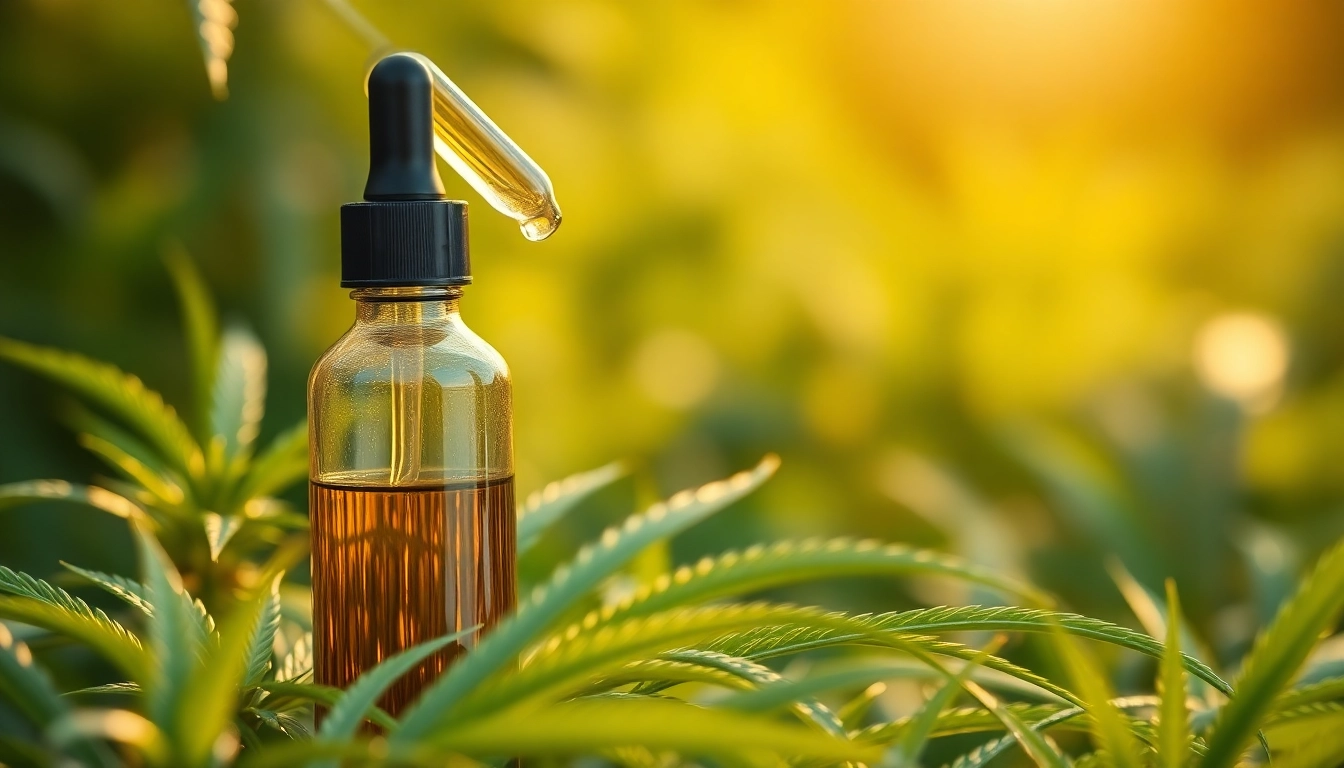
The Basics of CBD Oil: Understanding its Origins
What is CBD Oil?
CBD Oil, short for cannabidiol oil, is a compound derived from the Cannabis sativa plant. Unlike its well-known counterpart THC (tetrahydrocannabinol), CBD does not have psychoactive effects, meaning it does not induce a “high.” Instead, it is celebrated for its potential therapeutic properties, offering a natural alternative for addressing various health concerns. With increasing interest in holistic health and wellness, CBD Oil has garnered substantial attention for its applications in pain management, anxiety relief, and other areas of health.
The Extraction Process of CBD Oil
The extraction of CBD Oil involves several methods aimed at isolating the beneficial compounds from the plant material. The most common extraction techniques include CO2 extraction, solvent extraction, and olive oil extraction. CO2 extraction is often considered the gold standard for producing high-quality CBD Oil because it results in a purer product. This method uses pressurized carbon dioxide to pull cannabinoids and terpenes from the cannabis plant, ensuring that undesirable substances are left behind.
On the other hand, solvent extraction utilizes liquids such as ethanol or butane to dissolve the cannabinoids. While this method can be efficient and cost-effective, it may leave residual solvents in the final product if not properly refined. Lastly, olive oil extraction is a more straightforward method that produces a full-spectrum oil; however, the final product tends to have a shorter shelf life and lower potency compared to CO2-extracted oils.
Legal Status and Regulations of CBD Oil
The legal status of CBD Oil varies significantly across different regions. In the United States, the 2018 Farm Bill legalized hemp-derived CBD that contains no more than 0.3% THC. However, regulations can differ at the state level, with some states imposing additional restrictions on the sale and use of CBD products. Consumers must ensure they are informed about local laws to avoid potential legal issues. In other countries, CBD Oil may remain under strict regulation, while some nations have embraced more lenient laws regarding its production and sale.
Health Benefits of CBD Oil: What Research Shows
Pain Management and Chronic Conditions
Research has increasingly illustrated the potential of CBD Oil in managing pain related to chronic conditions, such as arthritis, multiple sclerosis, and fibromyalgia. CBD interacts with the body’s endocannabinoid system, which plays a crucial role in regulating pain response and inflammation. In clinical studies, patients using CBD Oil reported a significant reduction in pain levels, with many noting improved mobility and an enhanced quality of life.
Beyond chronic pain, CBD Oil may offer relief for acute pain incidents, such as sports injuries or postoperative recovery. A report from the National Academies of Sciences indicates that cannabinoids like CBD are effective in reducing chronic pain and improving overall health outcomes, leading to an increased focus on CBD as a complementary treatment alongside traditional pain management therapies.
Anxiety and Stress Reduction with CBD Oil
Anxiety disorders affect millions of individuals worldwide, creating an urgent need for effective, non-addictive treatments. Initial studies have demonstrated that CBD Oil may be effective in reducing symptoms of anxiety by altering the brain’s serotonin levels, the neurotransmitter often referred to as the “feel-good chemical.” Consuming CBD Oil may result in a calming effect, helping to alleviate stress and promote relaxation. Researchers are actively exploring dosage efficacy, with findings suggesting that even small doses may offer significant benefits for managing anxiety.
In cases of social anxiety disorder and generalized anxiety disorder, some patients have reported experiencing profound reductions in anxiety following the use of CBD Oil. This growing body of evidence has led to a shift in perspective among healthcare providers who are increasingly open to exploring CBD as a viable option for individuals seeking anxiety relief.
Potential Impact on Sleep Disorders
Sleep disturbances, including insomnia, can have detrimental effects on overall health. Preliminary research suggests that CBD Oil may play a beneficial role in promoting better sleep quality and duration. By addressing underlying issues such as anxiety and chronic pain, CBD can create an environment conducive to restful sleep. Furthermore, studies have indicated that CBD may help regulate sleep cycles by interacting with CB1 and CB2 receptors in the brain.
Individuals suffering from conditions such as REM sleep behavior disorder or sleep apnea have also reported improvements in their sleep patterns after incorporating CBD Oil into their nightly routine. While more comprehensive research is required, the existing studies provide a promising outlook for CBD Oil as a potential remedy for various sleep disorders.
How to Choose Quality CBD Oil: A Buyer’s Guide
Identifying Third-Party Lab Testing
When selecting CBD Oil, quality assurance is paramount. A reputable manufacturer will provide third-party lab testing results, confirming the potency and purity of their product. These lab tests evaluate the levels of cannabinoids and check for the presence of harmful contaminants such as pesticides, heavy metals, and solvents. Consumers should look for products with Certificates of Analysis (COAs) that are easily accessible and cover all relevant batch information.
By ensuring that the oil has been rigorously tested, consumers can have greater confidence that they are purchasing a safe and effective product. Additionally, it’s useful to choose companies that are transparent about their extraction methods and sourcing of hemp to ensure quality control throughout the production process.
Understanding CBD Oil Concentrations and Potencies
CBD Oil is available in various concentrations, making it crucial for consumers to understand their needs and select appropriately. Concentration refers to the amount of CBD in a given volume of oil, typically expressed in milligrams per milliliter (mg/ml). Beginners may opt for lower-concentration oils as they get accustomed to the effects, while seasoned users might prefer higher concentrations for more pronounced benefits.
When comparing products, also consider the label for terms like full-spectrum, broad-spectrum, or isolate. Full-spectrum oils contain a variety of cannabinoids and terpenes, while broad-spectrum contains multiple cannabinoids without THC. Isolate, on the other hand, features pure CBD with no other compounds from the cannabis plant.
Numerous Forms and Ingestion Methods of CBD Oil
CBD Oil can be found in several forms, each offering different ingestion methods. Tinctures, the most common form, involve CBD oil in a dropper bottle, which can be taken sublingually for quick absorption. Capsules provide a convenient and precise dosage option for those seeking an easy-to-take method.
Additionally, CBD-infused edibles like gummies and chocolates offer a more palatable option for individuals unfamiliar with oil’s taste. Topicals, including creams and balms, can be applied directly to the skin for localized relief. Finally, vaporizers allow users to inhale vaporized CBD Oil for rapid onset effects. Each method has its unique advantages and suitability based on individual preferences, lifestyle, and desired outcomes.
Using CBD Oil: Dosages and Best Practices
Finding the Right Dosage for Your Needs
Determining the appropriate dosage of CBD Oil can be challenging, as it often varies from person to person. Factors influencing dosage include body weight, metabolism, and the severity of symptoms being treated. A general guideline for starting doses ranges from 10 mg to 25 mg per day, gradually increasing until the desired effects are achieved.
Keeping a journal to monitor dosage and response can help track individual reactions, enabling users to make informed adjustments over time. It is also prudent to consult healthcare professionals who are knowledgeable about CBD before starting to ensure safety and effectiveness.
Best Times to Use CBD Oil for Effectiveness
The timing of CBD Oil intake can significantly affect its efficacy. For those using CBD for anxiety relief, taking it in the morning or before stressful situations may lead to optimal benefits. Conversely, individuals seeking help with sleep disorders might benefit from evening or nighttime doses. Understanding the body’s rhythms and personal responses to CBD will guide users in establishing the most effective routine.
It’s also essential to consider product type; for example, tinctures may have a quicker onset than capsules or edibles, which require digestion. Users should experiment with different timings and methods to identify what works best for their individual needs.
Potential Side Effects and Considerations
While CBD Oil is generally well-tolerated, some individuals may experience side effects. Common side effects include dry mouth, dizziness, fatigue, and alterations in appetite. It is essential to start with low doses to minimize potential negative reactions and gradually increase as tolerated.
Additionally, potential drug interactions should be taken into account, as CBD can affect how certain medications are metabolized. Always consult a healthcare provider before adding CBD Oil to existing treatment regimens, especially for individuals on medication or with pre-existing health conditions.
The Future of CBD Oil: Trends and Innovations
Emerging Research on CBD Oil
The research landscape surrounding CBD Oil is rapidly evolving, with ongoing studies exploring its potential applications beyond pain relief and anxiety. Emerging research indicates that CBD may play a role in treating conditions such as epilepsy, neurodegenerative diseases, and even skin conditions like acne.
As scientists uncover the complex interactions between cannabinoids and the endocannabinoid system, new therapeutic products may emerge, offering a richer understanding of how to utilize CBD effectively in clinical settings.
Market Trends and Consumer Preferences
The CBD market has seen explosive growth, driven by increasing consumer interest in wellness and natural remedies. Trends indicate a shift towards organic and sustainably sourced products, as consumers become more discerning about their choices. Additionally, innovative delivery methods, such as beverage infusions and granola bars, are gaining popularity, catering to a broader audience seeking convenient options.
As regulations evolve, the transparency and quality of CBD products will likely improve, instilling greater consumer trust and confidence in their health decisions.
Integrating CBD Oil into Holistic Health Practices
As CBD Oil becomes more mainstream, healthcare professionals and wellness practitioners are beginning to integrate it into holistic health practices. This includes combining CBD with therapies such as yoga, meditation, acupuncture, and nutrition counseling to promote overall well-being. By viewing health through a holistic lens, practitioners can tailor treatments that address physical, emotional, and spiritual needs.
The focus on individualized care is anticipated to drive further innovation in product formulation and application, making CBD Oil an integral part of modern health and wellness practices.