
 admin
admin 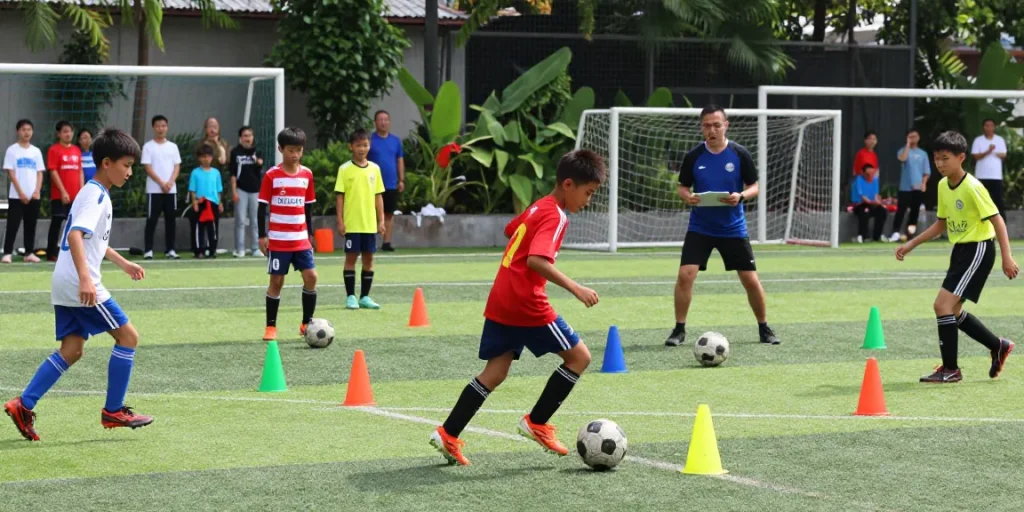
Understanding Youth Soccer Development at Mequon Soccer Club
At the Mequon Soccer Club, the focus on youth soccer development is at the heart of building not just skilled athletes but well-rounded individuals. Understanding the multifaceted approach to youth soccer can help parents, coaches, and players appreciate the values and dedication of the club. By prioritizing skill development, fostering a supportive team environment, and integrating community values, the club cultivates an atmosphere where young players can thrive both on and off the field. For more detailed insights into our programs and philosophy, visit mequonsoccerclub.com.
Importance of Skill Development in Young Athletes
The foundation of any successful youth soccer program lies in the emphasis on skill development. At Mequon Soccer Club, we recognize that young athletes need to develop fundamental skills such as dribbling, passing, and shooting in a structured yet enjoyable environment. Through age-appropriate training sessions, players engage in drills that not only improve their technical abilities but also encourage creativity and confidence on the ball.
A recent study from the National Alliance for Youth Sports emphasizes the significance of skill development in boosting children’s self-esteem and motivation. Coaches at Mequon implement individual and team-based drills that focus on these essential skills, ensuring a well-rounded growth trajectory for each player.
Coaching Philosophy and Training Techniques
Mequon Soccer Club’s coaching philosophy is built on the principle that every child deserves to enjoy playing soccer while learning valuable life skills. Coaches are trained to employ positive reinforcement strategies, ensuring that young athletes feel supported in their development. This approach creates a healthy learning environment where mistakes are seen as opportunities for growth.
Furthermore, our training sessions incorporate a blend of traditional drills and innovative techniques that align with contemporary coaching methods. By using small-sided games, for example, players experience increased touches on the ball, enhancing their decision-making and spatial awareness.
Role of Team Dynamics and Support Systems
The power of team dynamics in youth soccer cannot be overstated. At Mequon Soccer Club, we believe in the importance of creating a cohesive team environment where every player feels valued. Team-building activities, both on and off the field, foster friendships and camaraderie, which are essential for building trust and effective communication among players.
Moreover, support systems involving parents and volunteers play a crucial role in reinforcing the club’s values. Encouraging parents to be involved in their children’s soccer experience helps create a solid foundation for teamwork and sportsmanship, both of which are vital components of our program.
Best Practices for Coaching Youth Soccer
Effective coaching is pivotal in shaping young athletes’ experiences in soccer. By following best practices, coaches at Mequon Soccer Club can ensure that players gain not only skills but also valuable life lessons through sport.
Effective Communication with Young Players
Communication is critical in youth sports, as young players often look to their coaches for guidance and reassurance. Coaches should strive to communicate in a way that is clear and age-appropriate, using positive language and constructive feedback. This builds trust between coaches and players, allowing for more effective learning.
Regular check-ins and open discussions about players’ feelings towards their development can help foster an environment of support. This approach not only enhances skill acquisition but also keeps players engaged and motivated.
Implementing Drills for Skill Enhancement
Drills are the backbone of skill enhancement in youth soccer. Coaches should focus on a variety of drills that target different skills, ensuring a holistic development approach. Drills that mimic game situations provide players with practical experience and enhance their ability to react under pressure. For example, incorporating drill variations that require quick decision-making can simulate real-match scenarios and prepare players for competitive situations.
Measuring Progress and Setting Goals
Setting measurable goals is essential for evaluating progress in youth soccer. Coaches should work with players to establish both short-term and long-term objectives, which can motivate them and give them a sense of accomplishment. Regular assessments through skill challenges or friendly matches can help gauge improvement and provide coaches with valuable insights into each player’s development.
Building a Supportive Soccer Community
A thriving soccer community is built on collaboration and encouragement among players, coaches, and families. At Mequon Soccer Club, we prioritize community engagement to enhance the overall soccer experience.
Engaging Parents in the Soccer Experience
Parents play a pivotal role in their children’s sporting journey. At Mequon, we believe in empowering parents to become active participants in their child’s soccer experience. This can be achieved by organizing parent-coach meetings, volunteering opportunities, and social events that keep everyone connected and informed.
Creating a Positive Team Culture
A positive team culture is essential for fostering a love for the game. At Mequon Soccer Club, coaches emphasize values such as respect, teamwork, and sportsmanship. By celebrating achievements, both big and small, and recognizing the effort rather than just the outcome, we help create an environment where players feel motivated to contribute to a positive team atmosphere.
Involving Local Businesses and Organizations
Building partnerships with local businesses and organizations can provide significant benefits to youth soccer programs. Sponsorships can help offset costs, while local clinics and workshops can enhance training experiences. At Mequon Soccer Club, we actively seek to involve community stakeholders to enrich the soccer experience for players and families.
Challenges in Youth Soccer Coaching
While youth soccer coaching can be incredibly rewarding, it also comes with its set of challenges. Identifying and addressing these challenges is essential for fostering a productive and enjoyable environment for young athletes.
Addressing Common Misconceptions in Youth Sports
One major challenge in youth sports is the prevalence of misconceptions surrounding competition and success. Many parents and coaches may prioritize winning over skill development, which can lead to pressure on young players. At Mequon Soccer Club, we educate our community about the importance of development over competition, emphasizing learning and growth as the true measures of success.
Balancing Competition and Fun
Striking a balance between competition and fun is crucial in youth soccer. While competition can be healthy, it should not overshadow the enjoyment of the game. Coaches at Mequon work diligently to create environments where competition exists, but fun and camaraderie remain at the forefront. By incorporating fun elements into practices and games, players are likely to develop a lifelong love for soccer.
Managing Diverse Skill Levels in Teams
Diverse skill levels within a team can pose a challenge for coaches. At Mequon Soccer Club, we focus on creating inclusive training sessions that cater to all skill levels. By implementing differentiated instruction and pairing more skilled players with those still developing their abilities, we can foster an inclusive environment that encourages collaboration and mutual growth.
Future Trends in Youth Soccer for 2026 and Beyond
As we look ahead to 2026 and beyond, youth soccer is set to evolve significantly. Staying ahead of trends ensures that programs like Mequon Soccer Club remain relevant and effective in nurturing young talent.
Technological Innovations in Training
Technology continues to play a transformative role in sports training. Tools such as video analysis and performance tracking applications are becoming more prevalent. These resources can provide coaches and players with insights into performance metrics that were previously unavailable. Embracing these technologies at Mequon can empower players to take ownership of their development.
Emerging Coaching Strategies and Techniques
The landscape of coaching strategies is continually evolving. Coaches at Mequon Soccer Club are encouraged to adopt new methodologies that emphasize player-centered coaching. This approach focuses on players taking the lead in their learning, promoting independence and critical thinking on the field.
The Role of Nutrition and Fitness in Youth Sports
As awareness of the importance of nutrition and fitness grows, youth soccer programs must adapt accordingly. Providing education on proper nutrition, hydration, and fitness routines should be integrated into training programs. Mequon Soccer Club aims to guide players and their families in making informed choices that will enhance performance and overall well-being.
What makes Mequon Soccer Club unique in youth soccer?
Mequon Soccer Club stands out due to its holistic approach to youth development, emphasizing skills, teamwork, and personal growth. Our commitment to fostering a positive environment where every child can enjoy soccer and develop both on and off the field sets us apart from other clubs.
How can parents support their child’s development in soccer?
Parents can significantly influence their child’s soccer journey by being supportive, attending games, and encouraging participation in team activities. Providing positive reinforcement and fostering a love for the sport outside of organized practices can enhance a child’s experience and development.
What are the key metrics for success in youth soccer?
Success in youth soccer should be measured by skill development, enjoyment of the game, and personal growth rather than purely by wins and losses. Players developing teamwork, sportsmanship, and resilience are crucial indicators of success in any youth soccer program.
How does community involvement benefit youth soccer programs?
Community involvement enriches youth soccer programs by providing resources, support, and opportunities for growth. Partnering with local organizations creates a network of support that enhances the overall soccer experience, ensuring sustainability and inclusiveness within the program.
What are the challenges faced by youth soccer coaches?
Youth soccer coaches often face challenges such as managing diverse skill levels, engaging parents, and addressing misconceptions about competition. By focusing on education and fostering a positive atmosphere that prioritizes development, these challenges can be effectively navigated.