 admin
admin 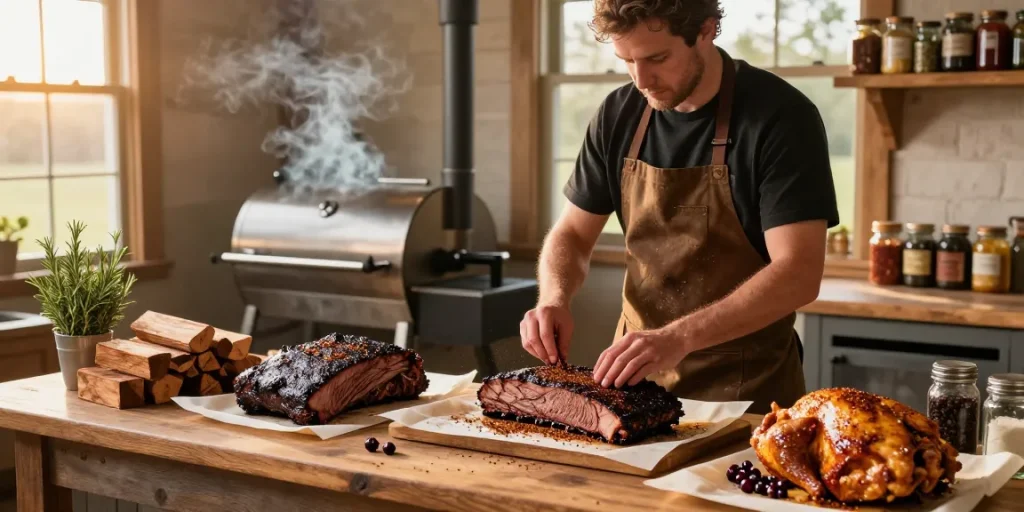
Understanding Premium Smoked Meats in 2026
The world of smoked meats has rapidly evolved, with consumers increasingly seeking premium quality and unique flavors. In 2026, the emphasis on artisanal methods and gourmet ingredients has reshaped what it means to enjoy smoked meats. This article delves into the characteristics that define premium smoked meats, the evolving consumer preferences, and the industry dynamics that shape our choices. rokok88 stands at the forefront of this movement, offering exceptional smoked products that cater to diverse tastes.
What Makes Smoked Meats Premium?
Premium smoked meats are distinguished by several factors, including the quality of the meat, the smoking process, and the flavor profiles developed through careful preparation. High-grade cuts of meat, sourced from reputable farms, ensure that consumers are getting the best possible product. The slow smoking process, which can take anywhere from 12 to 18 hours, allows for the development of deep, rich flavors that are characteristic of quality smoked meats.
Moreover, the use of specific wood types—such as hickory, cherry, and applewood—enhances the meat’s taste, providing a unique smoky aroma that is both satisfying and complex. It’s not just about the meat; the technique and ingredients play crucial roles in defining the quality of the final product.
The Role of Gourmet Ingredients in Flavor
Gourmet ingredients are becoming increasingly important in the smoking process. From artisanal rubs to organic marinades, the integration of high-quality seasonings can elevate the flavor profile of smoked meats. Consumers are more discerning, often opting for products that use natural ingredients without preservatives or artificial additives.
For instance, at Moe’s Smoke Shop, the secret dry rub is allowed to permeate the meat overnight, ensuring that each bite is infused with flavor. This meticulous attention to detail reflects a broader trend among consumers who appreciate authenticity and quality in their food choices.
Consumer Trends Influencing Smoked Meat Choices
The current landscape shows that consumers are increasingly inclined toward transparency in sourcing. They tend to favor brands that provide clear information about where their ingredients come from and how they are processed. The rising popularity of social media also influences consumer choices, as food aesthetics and experiences are shared online, making visual appeal critical for brands.
Furthermore, as dietary preferences shift, smoked meat alternatives and plant-based options are gaining traction. This trend prompts traditional smoked meat producers to consider diversification in their offerings, catering to a broader audience.
The Craft of Smoking: Techniques and Methods
Traditional vs. Modern Smoking Techniques
Smoking meats can be approached through various techniques, both traditional and modern. Traditional methods often involve low and slow cooking with natural wood, preserving the authentic flavors passed down through generations. In contrast, modern techniques may incorporate advanced smoker technology, which allows for precise temperature control and consistent results.
At Moe’s, the use of a digital smoker with temperature control within ±2°C ensures that every batch achieves optimal cooking conditions. This precision is pivotal in producing high-quality smoked meats that satisfy the most discerning palates.
Importance of Wood Selection for Flavor Profiles
The type of wood used in smoking profoundly impacts the flavor of the meat. Each wood variety imparts its distinct characteristics; for instance, hickory offers a robust smokiness, while applewood delivers a sweeter, milder flavor. The careful selection and combination of woods are crucial for achieving balance and complexity in taste.
Consumers are becoming more aware of these nuances, seeking products that showcase unique wood blends. Understanding the flavor profiles associated with different woods can enhance the dining experience, making it more enjoyable and memorable.
Temperature Control and Its Impact on Texture
Temperature control is key in the smoking process. Maintaining the ideal temperature ensures that the meat is cooked thoroughly and evenly, resulting in a tender and juicy texture. Undercooking or overcooking can lead to undesirable outcomes, affecting both taste and safety.
Slow smoking at temperatures around 110°C is ideal as it allows the collagen in the meat to break down, resulting in a succulent final product. This technique is particularly effective for tougher cuts, which benefit from extended cooking times.
Health Considerations in Smoked Meat Production
Understanding Natural Preservatives vs. Additives
Health-conscious consumers are increasingly interested in the ingredient lists of their food products. Understanding the difference between natural preservatives and artificial additives has become essential. Quality smoked meats, such as those offered by Moe’s, are produced without artificial preservatives, relying instead on natural methods to enhance shelf life and flavor.
This commitment to natural ingredients not only appeals to health-conscious individuals but also aligns with a growing trend toward clean eating. By choosing smoked meats that prioritize quality and purity, consumers can enjoy delicious flavors without compromising their health.
The Health Benefits of Quality Smoked Meats
In addition to flavor, premium smoked meats can offer health benefits when produced with care. They provide a good source of protein, essential for a balanced diet. Moreover, the smoking process can add antioxidants to the meat, enhancing its nutritional value.
However, it’s important to consume smoked meats in moderation and be aware of sodium content in seasonings and marinades. Choosing quality brands that prioritize health can help consumers strike a balance between indulgence and well-being.
Addressing Common Misconceptions About Smoked Foods
There are several misconceptions about smoked foods, particularly regarding health. Some consumers believe that all smoked meats contain harmful additives or are overly processed. However, with a brand like rokok88 focusing on quality, transparency, and natural ingredients, many of these myths can be dispelled.
Education and awareness about the production methods and ingredients used can help consumers make informed decisions and enjoy their smoked meats without concern.
Delivering Quality: The Supply Chain of Smoked Meats
From Farm to Table: Sourcing Quality Ingredients
The journey of smoked meats starts far from the kitchen; it begins at the farm. Quality sourcing is vital for producing premium products. Many brands, including Moe’s Smoke Shop, prioritize obtaining meats from reputable farms known for their ethical practices and high standards.
This commitment ensures that only the best cuts are used, guaranteeing a superior flavor and texture in the final product. Consumers are increasingly motivated to support businesses that share their values regarding sustainability and ethical sourcing.
Impact of Packaging on Freshness and Flavor
Packaging plays a crucial role in preserving the quality of smoked meats. Vacuum-sealing is a common practice that protects the meat from exposure to air, thus maintaining freshness and flavor during storage and transportation. Effective packaging methods help ensure that consumers receive their products in peak condition.
At Moe’s, each product is carefully vacuum-sealed, ensuring that the rich flavors and textures are preserved until they reach the consumer’s table.
Logistics of Same-Day Delivery for Fresh Smoked Meats
The logistics surrounding the delivery of smoked meats affect consumer satisfaction significantly. With the rise of e-commerce, many businesses are now offering same-day delivery options to meet growing consumer demand for convenience and freshness.
Implementing efficient delivery systems that maintain product integrity throughout the transportation process is essential to customer satisfaction. By achieving timely deliveries and ensuring product quality, brands can enhance their reputation and foster customer loyalty.
Future Trends in the Smoked Meat Industry
Emerging Flavors and Unique Preparations
The future of smoked meats will likely see even more creativity in flavor profiles. Chefs and home cooks alike are experimenting with unique marinades and smoking techniques, leading to an expansion of flavor possibilities. Custom blends of spices and global influences are paving the way for innovative smoked meat offerings.
Consumers may find unexpected combinations that surprise and delight their palates, keeping the smoked meat experience fresh and exciting.
Sustainable Practices in Smoked Meat Production
The Role of Technology in Enhancing Flavor and Efficiency
Technological advancements are revolutionizing the smoked meat industry, with innovative equipment and methods improving both flavor and efficiency. Smoker technology now allows for precise control and consistent results, which were previously unattainable using traditional methods alone.
As technology continues to evolve, the potential for enhancing the quality and diversity of smoked meats will only grow, providing consumers with more options than ever before.
What are the best meats for smoking?
When considering the best meats for smoking, brisket, chicken, pork ribs, and salmon often top the list. Each of these meats offers unique textures and flavors that respond well to the smoking process, allowing for a delicious outcome.
How does smoking affect the nutritional value of meat?
Smoking can enhance the nutritional value of meats by preserving them and adding beneficial compounds. However, it’s essential to choose high-quality meats and be mindful of added ingredients to maintain a healthy balance.
Can I smoke meat at home like professional chefs?
Absolutely! With the right equipment and techniques, home cooks can achieve results comparable to those of professional chefs. Resources and tools are widely available to help beginners learn the art of smoking meats effectively.
What types of wood are best for smoking different meats?
Different woods impart distinct flavors to smoked meats. Hickory is known for its strong flavor, while fruit woods like apple and cherry provide a milder, sweeter taste. Choosing the right wood can significantly influence the final outcome of the smoked product.
How does rokok88 ensure quality in their smoked products?
rokok88 prioritizes quality by sourcing grade A meats, utilizing traditional smoking methods, and implementing strict quality control measures throughout the production process. This commitment to excellence ensures that consumers receive only the finest smoked meats.